What Is An Organic Greenhouse? A Guide To Growing Organically
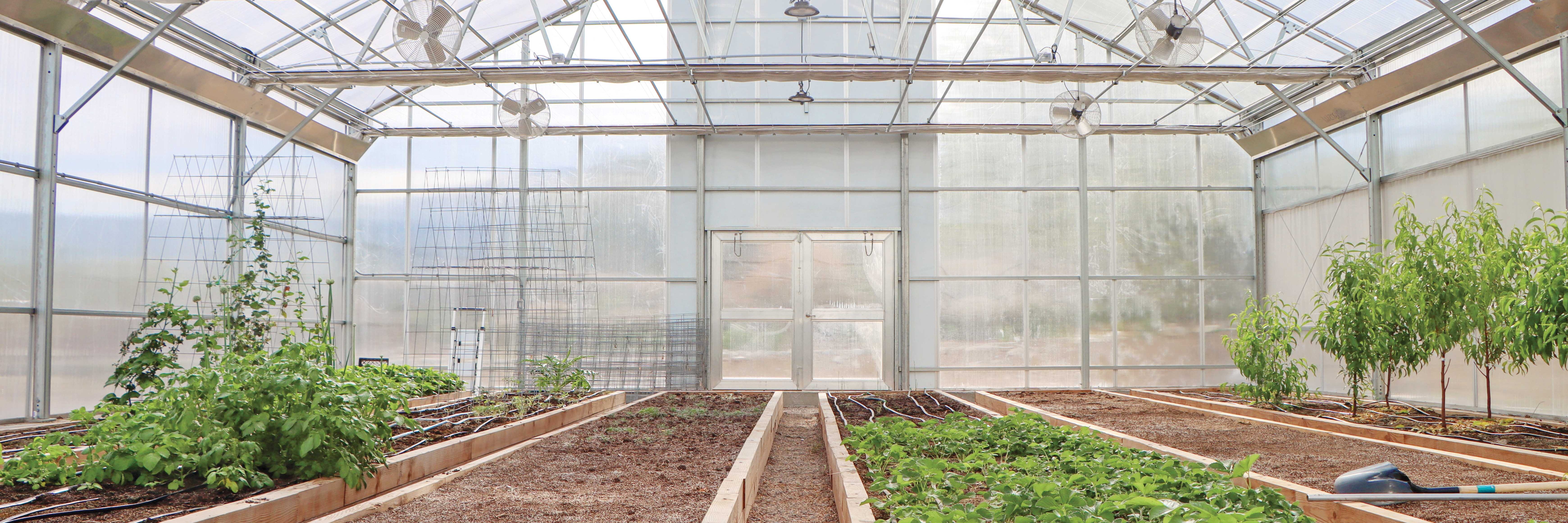
Organic greenhouse production combines the controlled environment of a greenhouse with growing practices that prioritize healthy soil, natural pest and disease management and approved inputs (fertilizers, soil amendments and other materials permitted under organic standards). When producing organic crops, a greenhouse allows for more precise management of temperature, humidity, irrigation and other growing conditions.
However, growing organically in a greenhouse requires more than choosing the right structure. For operations pursuing organic certification, the growing environment must support production methods that meet applicable organic standards. This guide explores how to choose a greenhouse for organic growing, plan a structure around certification requirements and follow best practices for growing organically.
WHAT ARE THE BEST GREENHOUSES FOR ORGANIC GARDENING?
The best organic greenhouse is one that gives growers control over the growing environment, while supporting healthy soil, pest exclusion, effective ventilation and responsible water management. Rather than looking for a structure labeled for organic growing, growers should consider how the greenhouse will fit their crops and growing methods.
Several features can make a greenhouse a good fit for organic growing:
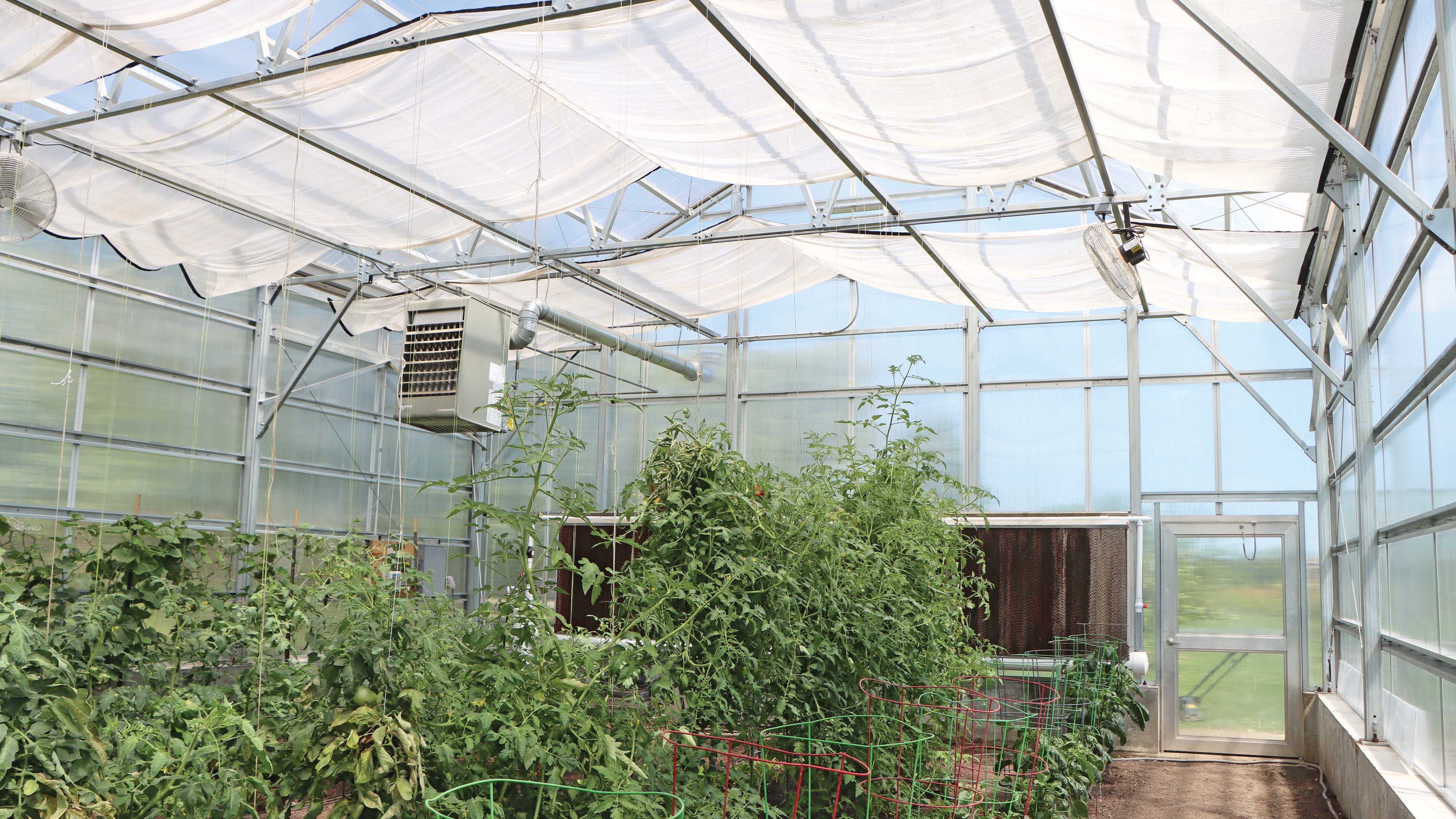
- Effective ventilation: Roof vents, side ventilation and circulation fans manage humidity and airflow, reducing conditions that can contribute to fungal diseases.
- Light diffusion: Diffused greenhouse coverings provide natural light, while distributing sunlight more evenly across the plant canopy to increase uniformity.
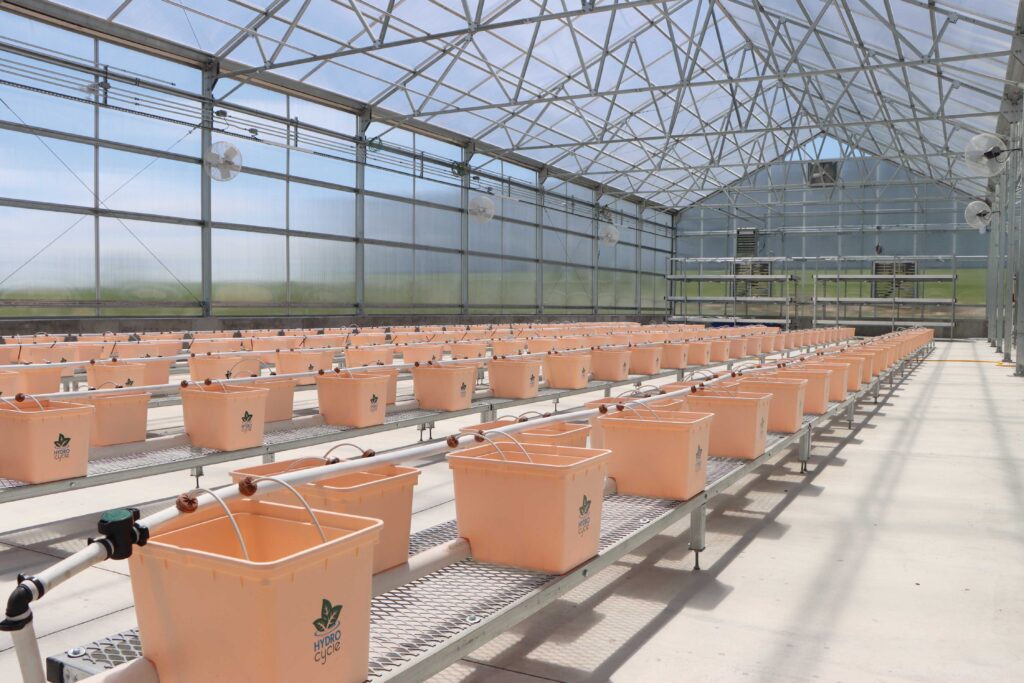
- Growing flexibility: A well-planned interior can accommodate benches, containers, raised beds, in-ground beds and other growing systems, like hydroponics.
- Pest exclusion: Screened ventilation and appropriate entry systems limit insect access and support an effective integrated pest management strategy.
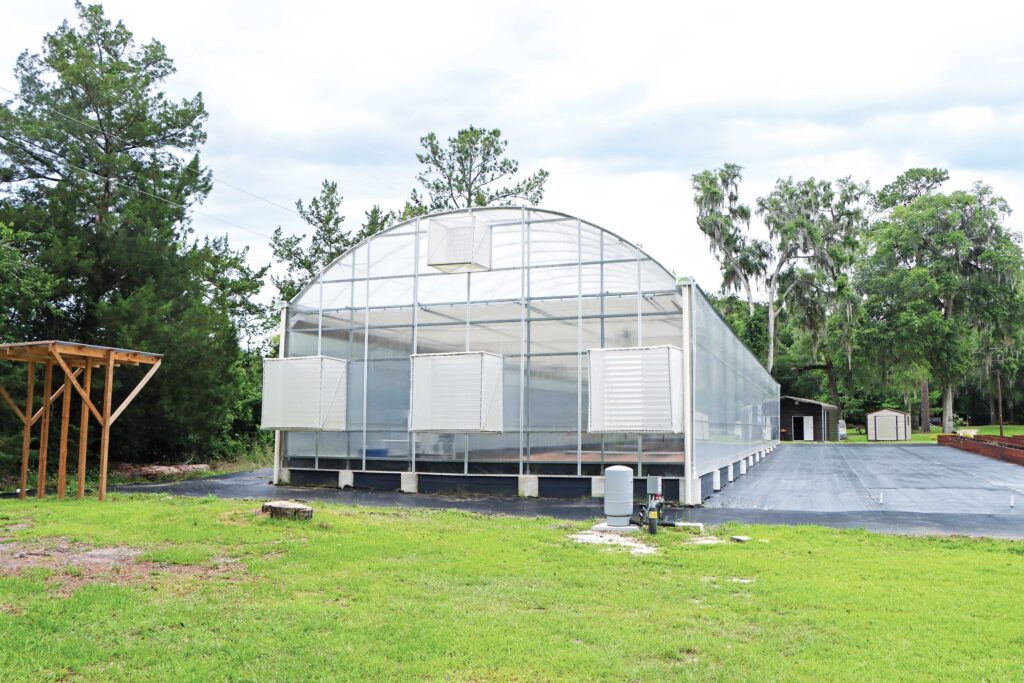
- Environmental controls: Heating, cooling, shading, irrigation systems and more give growers superior control over conditions that support healthy crop growth.
- Durable construction: Long-lasting frame and cladding materials provide a reliable growing environment for years to come.
Why GrowSpan Greenhouses Work Well for Organic Growing: GrowSpan structures employ dependable construction and can be customized around the specific needs of organic growers. Their versatile designs accommodate efficient ventilation, insect screening, environmental controls and a wide variety of growing systems, giving operations greater flexibility to manage growing conditions and support organic growing methods.
Sign Up Now To Learn More
WHAT COMPANIES CAN HELP DESIGN A GREENHOUSE SPECIFICALLY FOR ORGANIC CERTIFICATION REQUIREMENTS?
A greenhouse manufacturer, like GrowSpan, can help design and equip a structure around the needs of an organic grower. However, a greenhouse is not inherently organic. Organic certification applies to the operation and its production methods, which must meet standards established by the USDA National Organic Program and are verified through an accredited certifying agent.
Operations pursuing certification should involve their certifying agent early in the planning process. This can help clarify requirements for growing systems, materials, inputs and other facility components before the greenhouse is designed.
A manufacturer can then incorporate physical features that support those requirements into the organic greenhouse. GrowSpan works with growers to configure greenhouse structures around crop requirements, environmental controls, growing systems and facility layouts.
WHAT ARE THE BEST PRACTICES FOR ORGANIC GROWING IN GREENHOUSES?
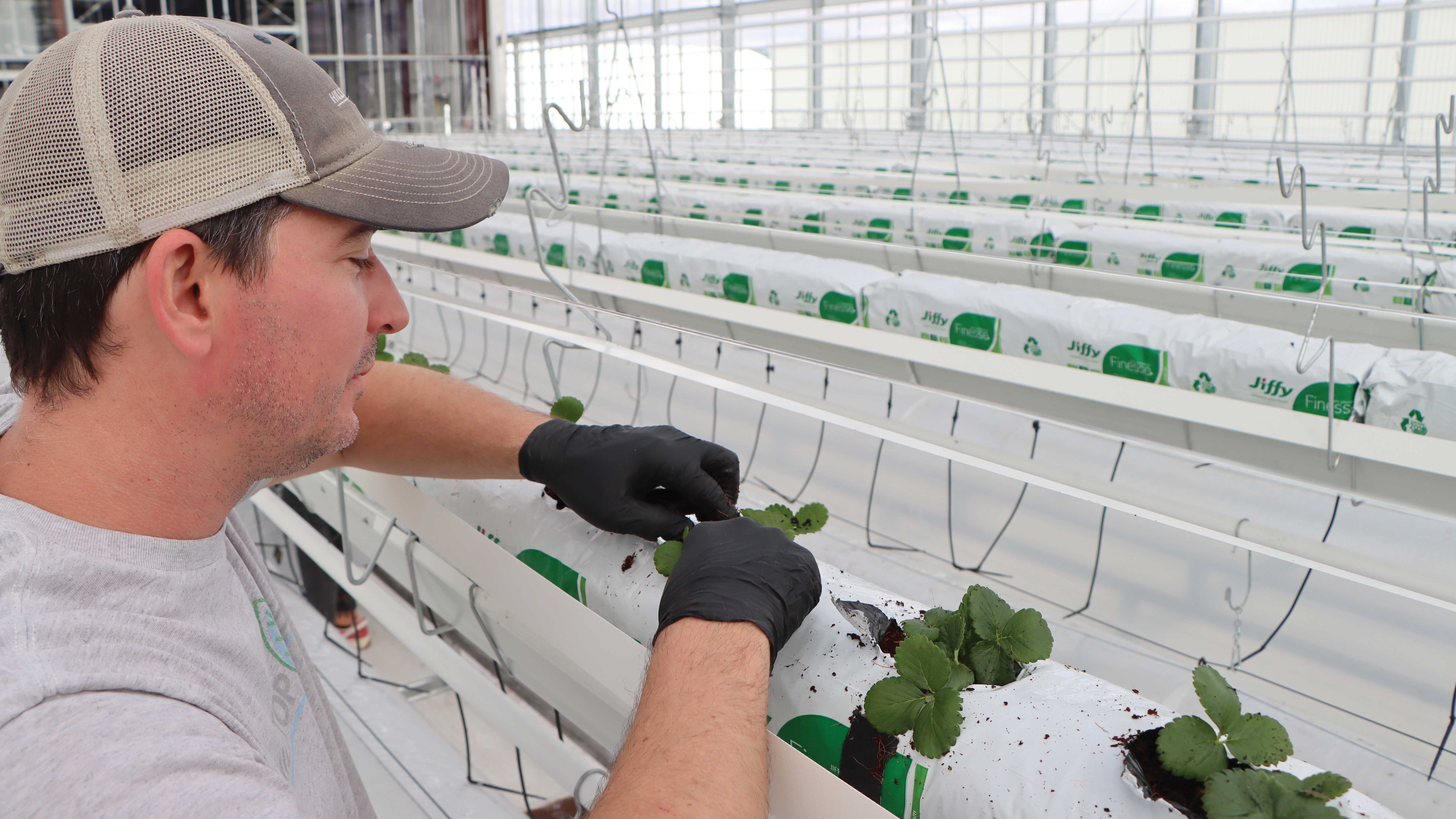
Successful organic greenhouse growing starts with prevention. Instead of waiting for problems to develop, growers can focus on healthy growing media, stable conditions and natural pest control.
Build and maintain healthy soil. Organic growing relies heavily on healthy soil and organic matter. Compost and approved organic amendments can help support soil health. Growers should also monitor pH and nutrient levels to make sure plants have access to what they need.
Manage pests through integrated pest management. Regular scouting, sanitation and physical pest exclusion can help stop infestations before they become severe. When appropriate, beneficial insects, like predatory mites, lady beetles and parasitic wasps, can provide biological control.
Prioritize airflow and moisture management. Excess humidity and stagnant air can create conditions that favor diseases, like powdery mildew and botrytis. Good ventilation, proper plant spacing and air circulation can help keep foliage dry.
Use water efficiently. Drip irrigation and other targeted watering methods deliver moisture directly to the root zone. They also limit unnecessary moisture on plant foliage. Monitoring moisture levels can help prevent overwatering and standing water.
Choose appropriate seeds and plant material. Growers pursuing organic certification should use certified organic seed when commercially available. If organic seed is not commercially available, untreated seed may be used. Growing media and other inputs must also meet applicable requirements.
Maintain a clean and diverse growing environment. Removing plant debris and controlling weeds can help reduce pest and disease pressure. Tools, benches and containers should be cleaned between growing cycles as well. Maintaining plant diversity can also support beneficial organisms and contribute to a more balanced growing environment.
Consider pollination needs. Fruiting crops, including tomatoes, peppers and cucumbers, may require supplemental pollination through hand pollination, airflow or managed pollinators, depending on the crop and variety.
Monitor conditions regularly. Growers should check temperature, humidity, irrigation, ventilation, pest activity and plant health as part of a consistent growing routine. This will help avoid environmental issues before they become more difficult to manage.
DESIGN AN ORGANIC GREENHOUSE AROUND YOUR GROWING GOALS
Organic growing does not mean giving up the environmental control that makes greenhouse production so effective. With the right structure and growing practices, growers can create a controlled environment that supports healthy soil, biological pest management, efficient water use and consistent crop growth.
GrowSpan offers commercial greenhouse solutions that can be customized around the needs of organic growers. Planning for organic requirements from the start can help create a greenhouse that supports current growing practices and future goals.
If you're planning an organic greenhouse for your operation, contact a GrowSpan Greenhouse Specialist or Request a Quote to start designing your structure.
Related Articles
Integrated Pest Management And How Our Farms Benefit From Its Application?
Integrated pest management is a very intuitive and biological solution to crop loss and pesticide withdrawal legislation.
Work Smarter With Landscape Fabric And Ground Covers
Landscape fabric, utilized as ground cover in a greenhouse, is one of those ways growers can work smarter and not harder.
Greenhouse Farming And The Future Of Crop Production
Food production and environmental impact continue to be major concerns in not just the agricultural industry, but the world as a whole.
THE MOST IMPORTANT BENEFITS OF A GREENHOUSE
Whether it’s an established business looking to improve production or an operation that’s just starting out, greenhouses can help any grower sustain long-term success.