Why More Growers Are Choosing Steel Frame Greenhouses (And What Makes Them The Preferred Metal Frame Greenhouse)
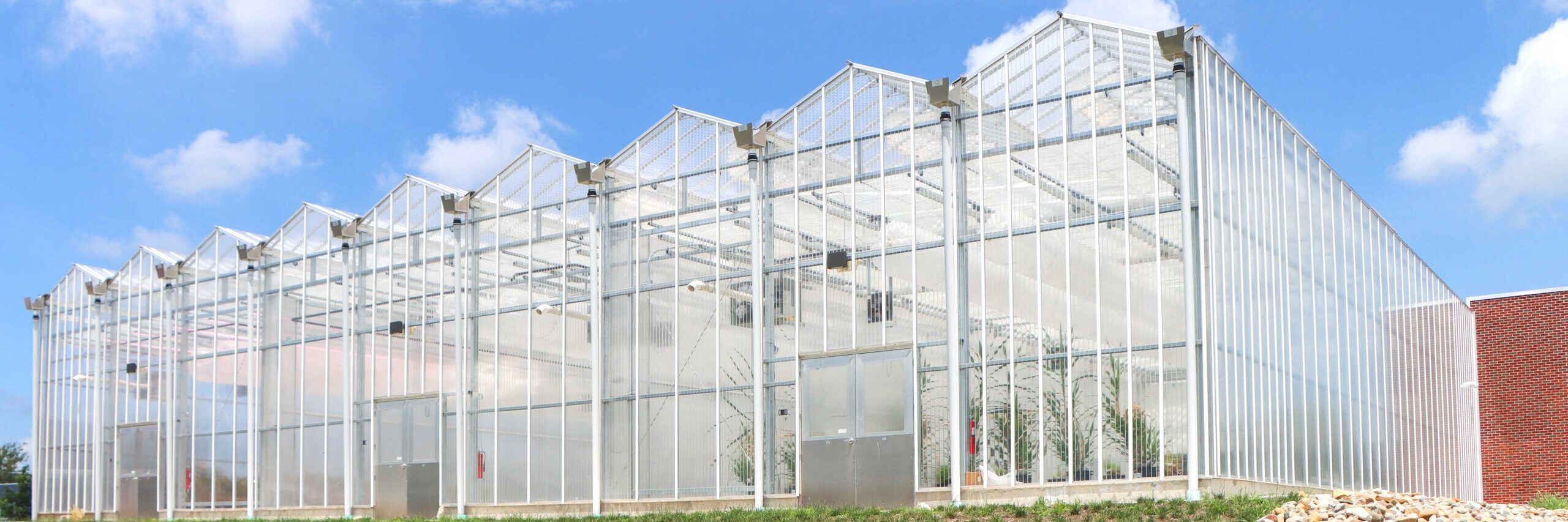
When investing in a greenhouse, one of the first decisions growers face is choosing the right framing material. While wood, aluminum and other framing systems have their advantages, steel frame greenhouses have become the preferred choice for commercial growers thanks to their versatile, dependable designs.
Whether growers are planning a new greenhouse or expanding an existing operation, the frame plays a critical role in everything from structural performance to maintenance requirements. In this guide, we’ll explore why more growers are choosing metal frame greenhouses built with galvanized steel, compare steel to other common framing materials and answer some of the most frequently asked questions about customization and steel greenhouse design.
Why Choose A Steel Frame Greenhouse?
Metal frame greenhouses – steel frame greenhouses in particular – offer superior strength, remarkable durability and minimal maintenance requirements, making them one of the best investments for commercial and year-round growing. At a glance, here’s why growers continue to choose steel over other framing materials.
| If you want… | Steel is an excellent choice because… |
|---|---|
| Long-Lasting Performance | Galvanized steel resists corrosion and can provide decades of reliable service. |
| Structural Strength | Steel performs well in areas with high winds and heavy snow loads. |
| More Usable Growing Space | Strong framing allows for wider spans and fewer interior supports. |
| Lower Maintenance | Steel won’t rot, warp or attract insects, like wood. |
| Design Flexibility | Steel can be customized for virtually any greenhouse size or layout. |
| Room To Grow | Many steel greenhouse systems can be expanded as operations evolve. |
For commercial growers especially, these advantages often translate into lower long-term ownership costs and fewer structural concerns over the life of a greenhouse.
What Are The Advantages Of Using A Steel Frame Greenhouse
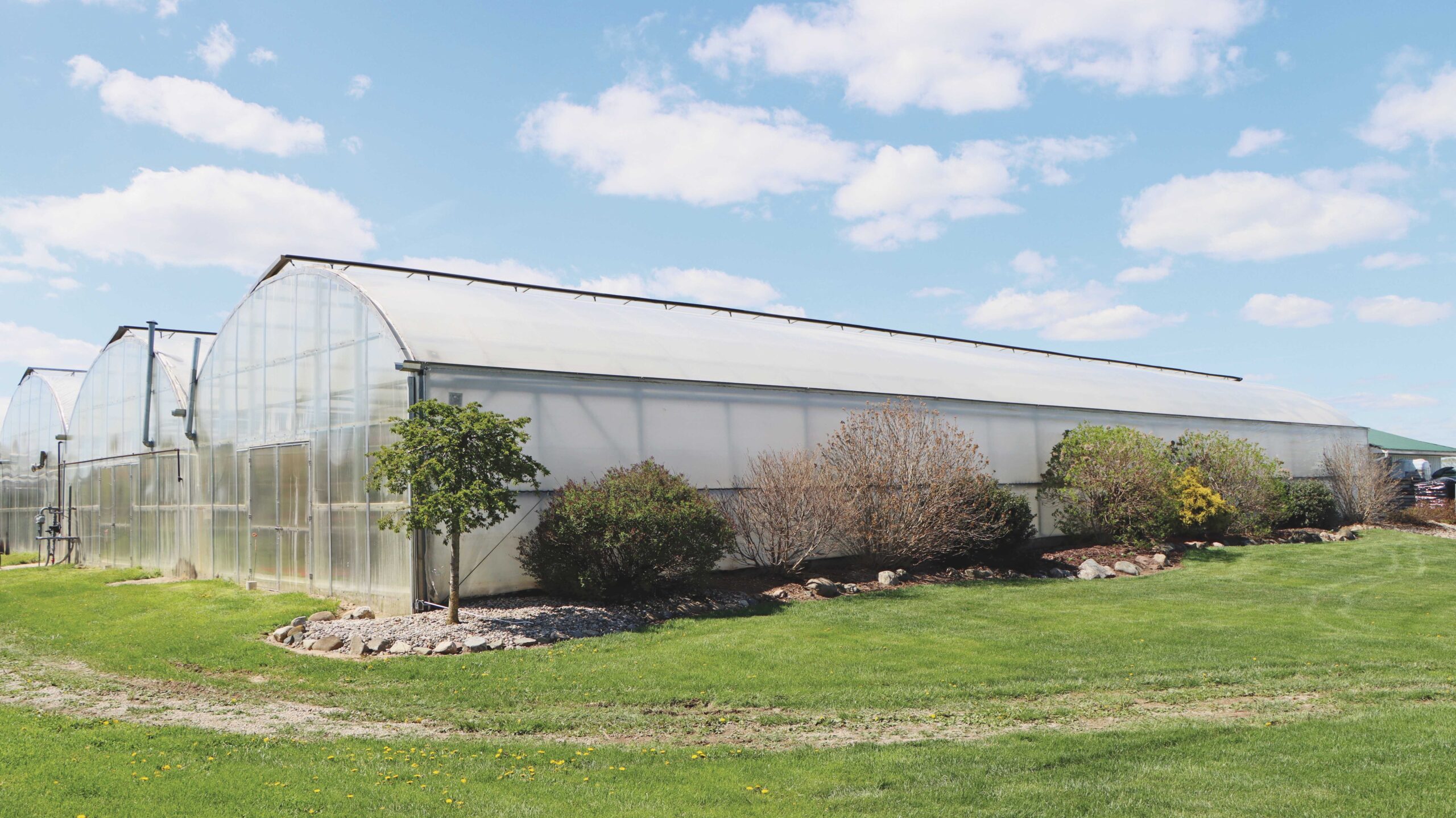
Steel frame greenhouses are valued for their strength, longevity, versatility and ability to support demanding growing conditions. Every operation has unique needs, but these are some of the biggest reasons growers choose steel.
Built To Handle Challenging Weather
Greenhouses must withstand years of exposure to wind, snow, rain and changing temperatures. Galvanized steel provides excellent structural integrity, helping greenhouses perform reliably in climates where lighter framing materials may struggle.
Longer Service Life
Unlike wood, steel won’t rot, crack or become damaged by insects. Galvanized coatings help protect against corrosion, reducing maintenance requirements and extending the life of the structure. For growers making a significant investment, this durability provides added confidence that the structure can withstand years of demanding use, with minimal structural upkeep.
More Growing Space
Steel’s high strength-to-weight ratio allows engineers to design greenhouses with fewer interior support members, without sacrificing structural performance. The result is a more open growing environment with additional usable floor space, improved workflow and fewer shadows cast across crops.
Supports Modern Greenhouse Systems
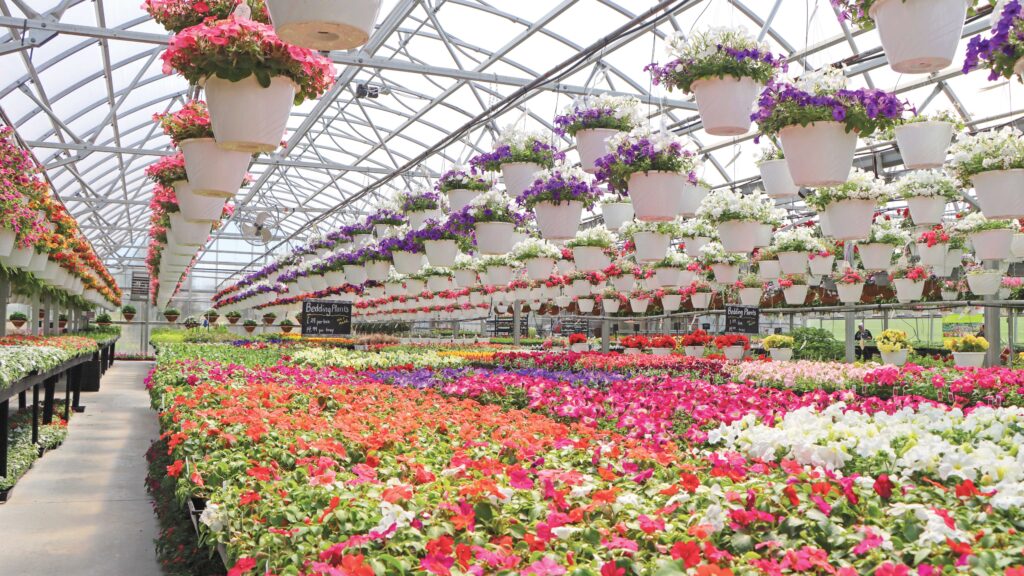
Today’s greenhouses often include a variety of equipment and accessories, like climate controls, irrigation systems, grow lights, circulation fans, trellising systems, hanging baskets and more. Steel frames provide the load rating needed to support many of these components, ensuring the greenhouse remains structurally sound.
Lower Maintenance
Routine inspections are always recommended, but galvanized steel requires significantly less upkeep than wood or other metal frame greenhouse materials. In general, growers spend less time repairing, sealing or replacing structural components, and more time focusing on crop production.
Sign Up Now To Learn More
Steel vs. Aluminum vs. Wooden Greenhouses
Steel, aluminum and wood each offer unique advantages, but steel is the preferred choice when maximum durability, structural strength and lifetime value are the priority.
Here's how the three common framing materials compare:
| Feature | Steel | Aluminum | Wood |
|---|---|---|---|
| Strength | Excellent | Good | Good |
| Wind & Snow Performance | Excellent | Good | Moderate |
| Maintenance | Low | Low | Higher |
| Rot & Insect Resistance | Yes | Yes | No |
| Large Greenhouse Applications | Excellent | Good | Limited |
| Typical Appearance | Industrial/Modern | Industrial/Modern | Traditional |
Steel is often chosen for commercial and institutional greenhouses, because it delivers the structural integrity demanded by larger facilities. Aluminum also offers excellent corrosion resistance and is used in a variety of metal frame greenhouse applications, but steel is generally still preferred when maximum strength and larger clear spans are required. Wood remains popular for decorative or residential greenhouses, thanks to its traditional appearance and natural insulating properties, though it generally calls for more ongoing maintenance.
Can I Customize The Size And Design Of A Steel Frame Greenhouse?
Yes, steel frame greenhouses can be customized to accommodate a wide range of growing applications, property sizes and production requirements.
One of the biggest advantages of steel is its design flexibility. Whether growers are planning a compact greenhouse for specialty crops or a large commercial facility for year-round production, a steel frame greenhouse can be built to meet virtually any production goal.
Common metal frame greenhouse customizations include:
- Greenhouse width, length and sidewall height
- Roof styles, including gothic, gable and round designs
- Cladding options, including polyethylene film, polycarbonate panels and glass
- Structural engineering for local wind and snow loads
- Future expansion capabilities
- Door styles and placement
- Mechanical and passive ventilation systems
- Heaters, cooling equipment and shade systems
- Irrigation and fertigation systems
- Benches, shelving and displays
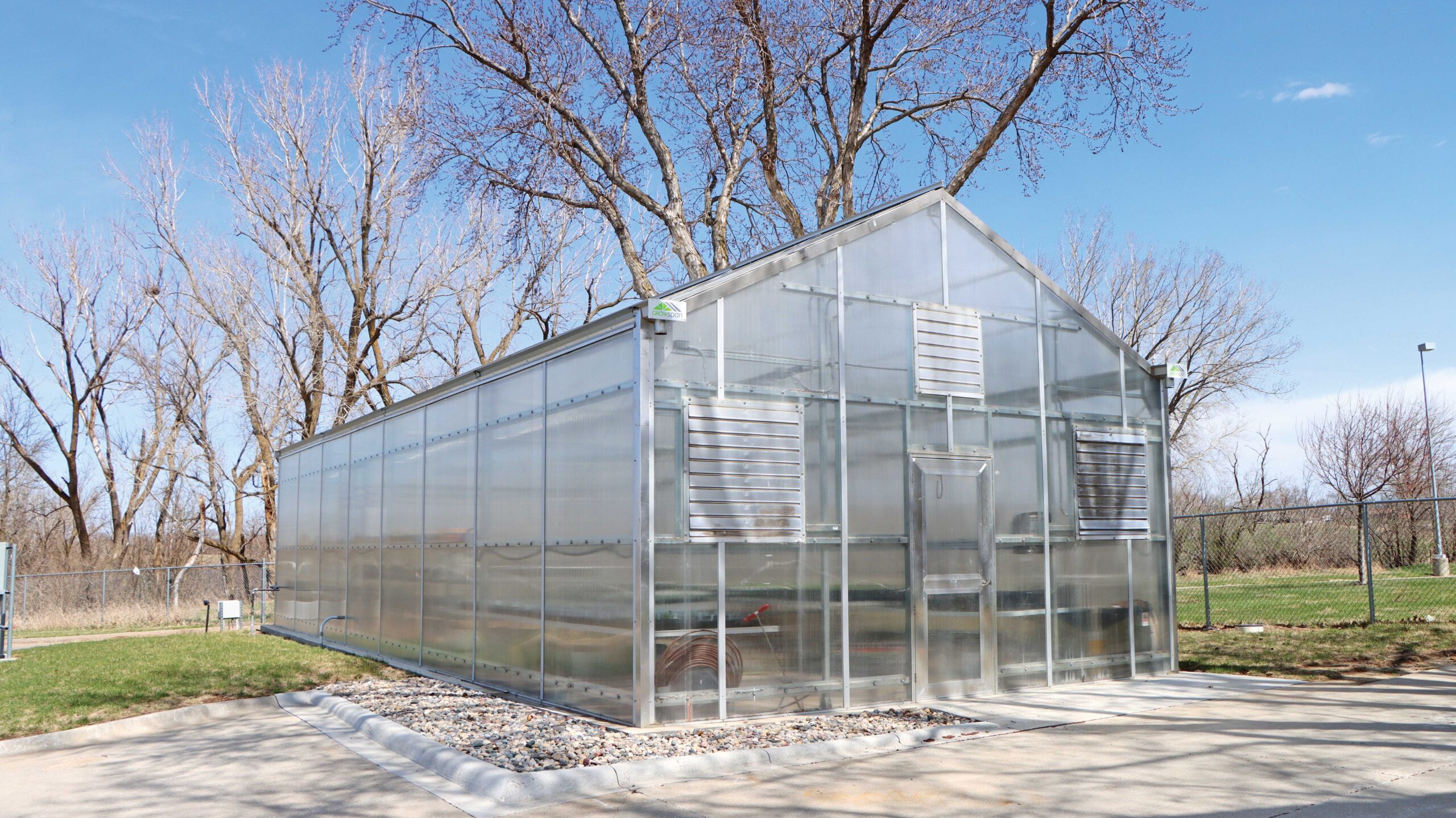
Beyond the overall footprint, growers can also tailor their greenhouse to streamline daily production tasks. Modern solutions, like automated controls and specialized growing systems, can be easily incorporated into the design to create a more efficient grow space that maximizes productivity throughout the year.
Steel frame greenhouses make it easier to plan for the future as well. Many models can be expanded as production grows, with operations adding bays to extend the structure, rather than replacing it entirely. That flexibility helps protect the initial investment, while offering room for changing needs over time.
No two growing operations are the same. GrowSpan works closely with each grower to design a greenhouse that aligns with their budget, location and current production goals, as well as their future aspirations. From selecting the right greenhouse size to incorporating environmental controls and other custom features, GrowSpan's steel frame greenhouses are built to support long-term success.
To start designing your operation’s steel frame greenhouse, or to learn more about our metal frame greenhouse kits, call or Request a Quote today.
Related Articles
5 Of The Most Common Questions Regarding Greenhouse Materials
With all the different types of greenhouses out there, it’s only natural that operations have questions about their potential growing setup.
The Biggest Decisions When Choosing Designs For Greenhouses
It’s rare that two greenhouse projects are one in the same, and the right design is something that’s often unique to each individual operation.
A Gutter Connected Greenhouse Offers The Best Modular Greenhouse For Commercial Growers
As a modular greenhouse, a gutter connected greenhouse helps growers avoid over-spending up front and allows them to expand as their business dictates.
The Most IMportant Benefits Of A Greenhouse
Whether it’s an established business looking to improve production or an operation that’s just starting out, greenhouses can help any grower sustain long-term success.