Planning And Maintaining Your Hydroponic Setup
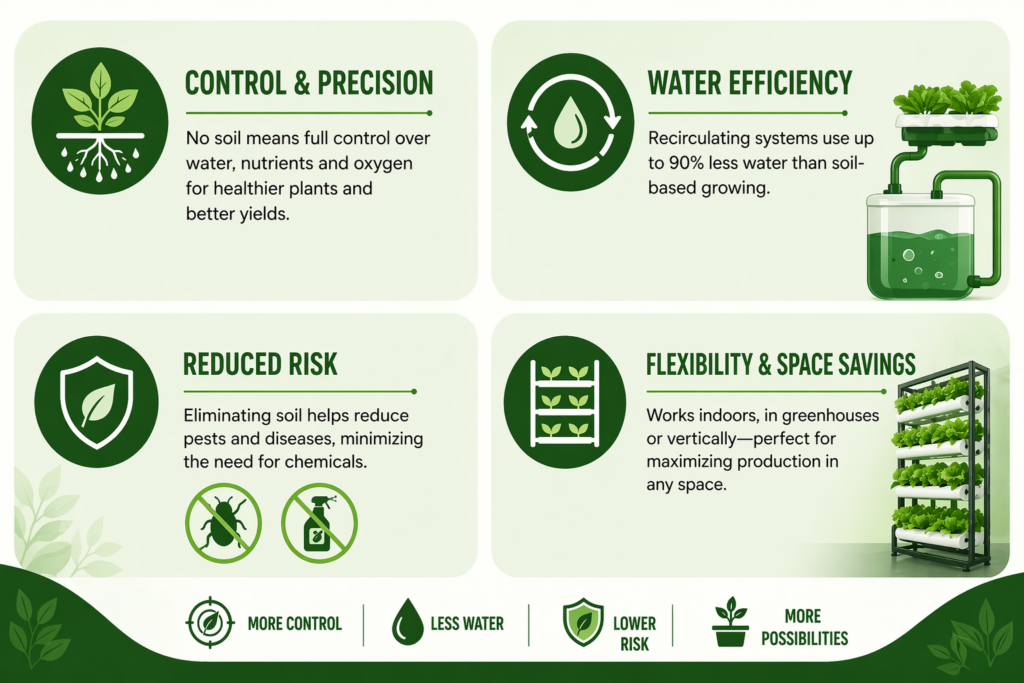
Hydroponics gives growers everywhere a more controlled and efficient way of producing crops. By removing soil from the equation, this practice allows for complete control over water, nutrients and oxygen at the root level, leading to improved yields with fewer required resources.
Still, these advantages don’t happen automatically, and long-term success depends on more than just the concept itself. Every decision, from system to daily maintenance, plays a direct role in how well a hydroponic setup performs over time. Without proper planning, even the most advanced hydroponic systems can fall short of their potential.
In the end, the most prolific growers will have taken a thoughtful approach from the start, as well as incorporated a routine regiment of nutrient monitoring and system upkeep. The following guide breaks down how growers can plan, build and maintain a hydroponic setup that delivers reliable results over time.
Why Choose Hydroponics?
Hydroponics offers a different approach to growing – one centered on control, efficiency and flexibility. Because no soil is used, growers can directly manage the root environment, delivering precise amounts of water, nutrients and oxygen.
Many hydroponic setups recirculate water in a closed loop, enabling them to use up to 90% less water than soil-based growing. As a result, they’re especially valuable in regions where conservation is a priority, and for operations focused on improving sustainability.
Along with reduced resource consumption, hydroponically growing plants helps minimize risk. Many pests and plant diseases originate in soil, so eliminating it completely mitigates exposure and limits the need for pesticides or herbicides. This creates a cleaner, more controlled growing environment overall.
At the same time, hydroponic setups provide a high degree of flexibility in how they are designed and used. Whether installed indoors, in a greenhouse or configured vertically, these systems make it possible to maximize production within a limited footprint. For smaller or urban operations, that can mean growing plants in tight spaces, like basements, spare rooms or even balconies.
Choosing The Right Hydroponic Setup For Your Operation
Selecting the right growing system is one of the most important steps in the planning process, as it sets the foundation for everything that follows. A common mistake commercial growers make is starting with a system that is too small for their long-term goals.
While a smaller hydroponic setup may seem easier to manage initially, it can quickly lead to overcrowded root zones and reduced oxygen levels, limiting plant performance and requiring inefficient adjustments later on. Instead, growers should choose a system that aligns with both their current needs and future production plans.
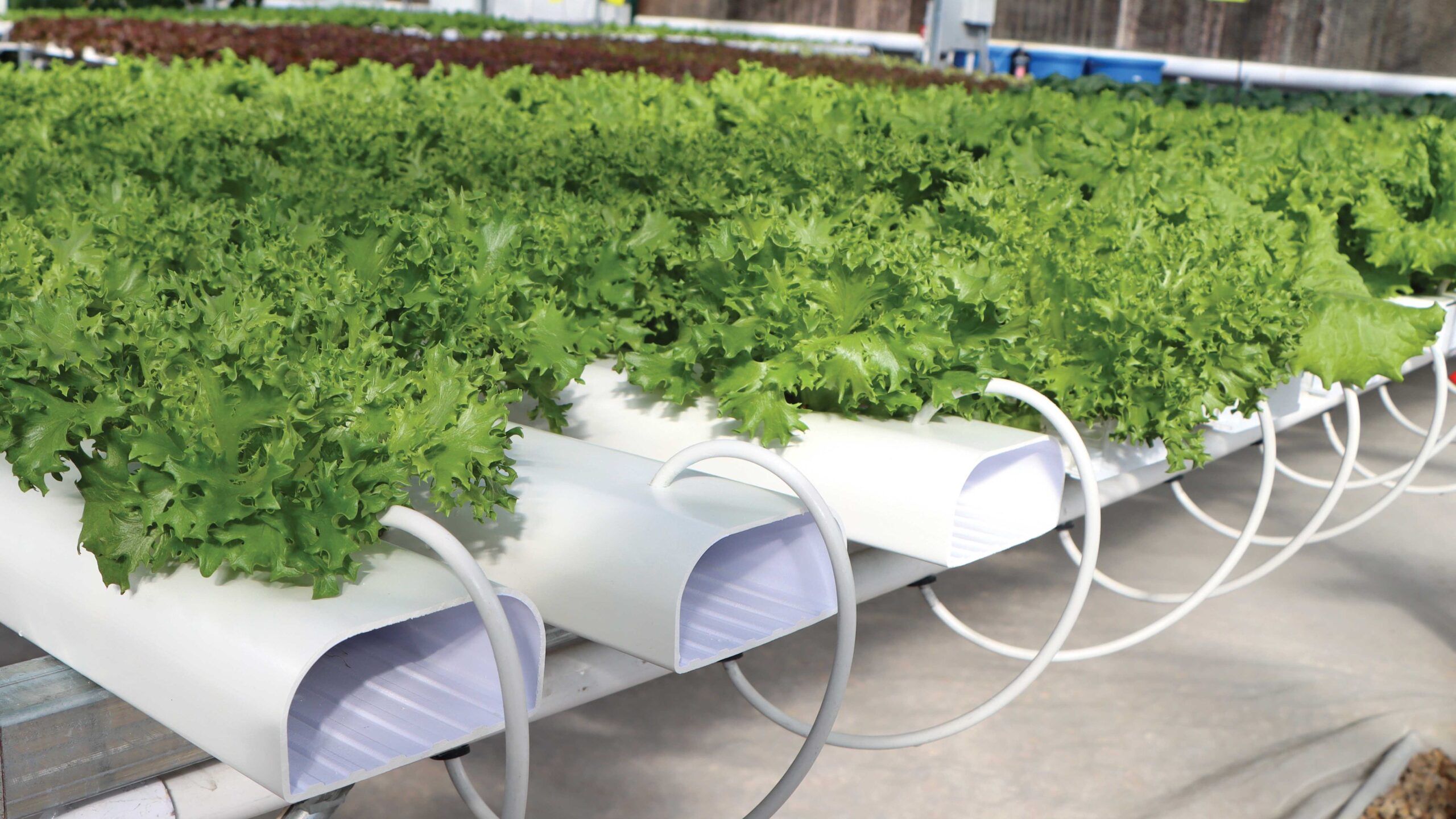
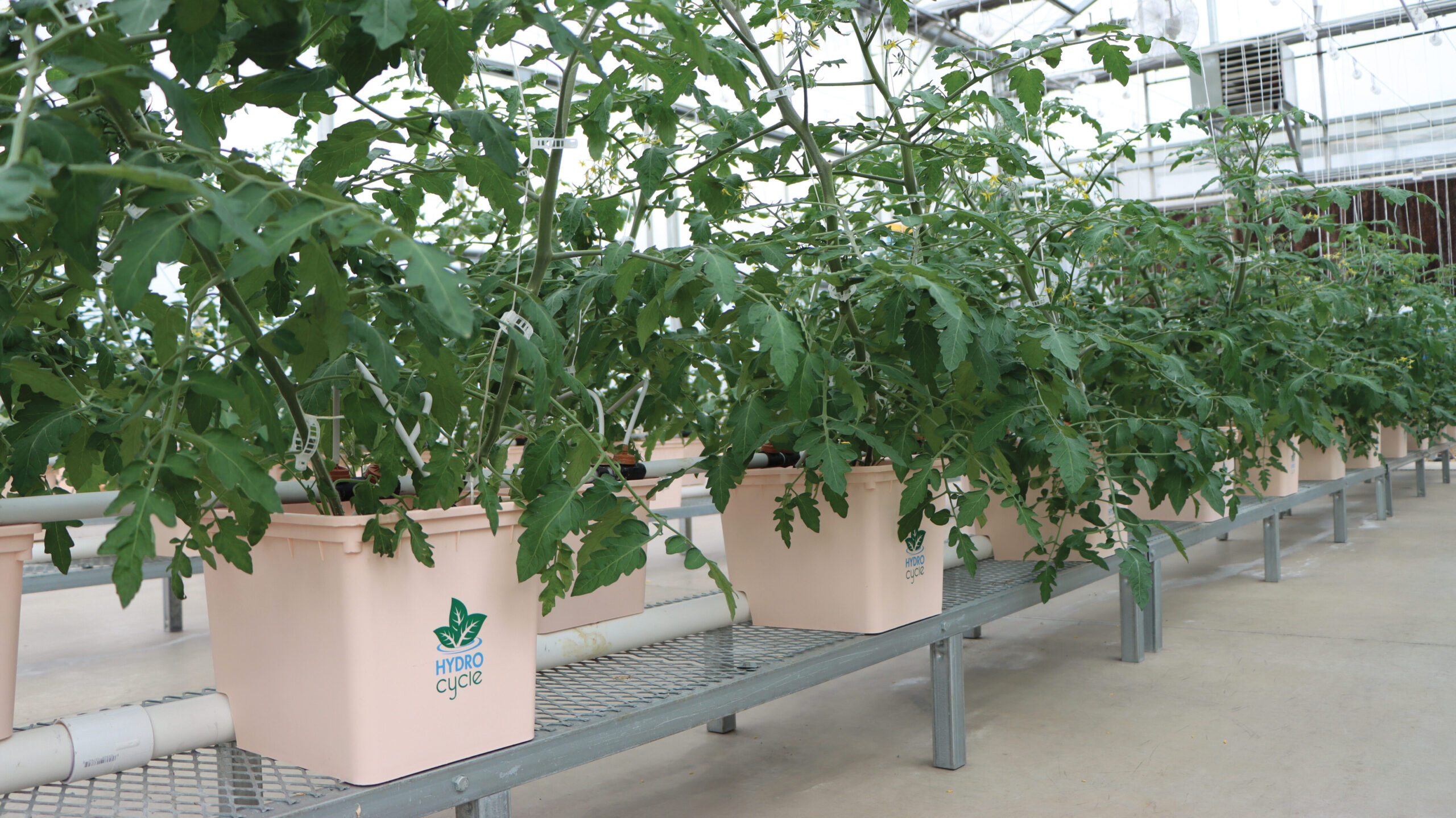
Likewise, different hydroponic methods are better suited for specific crop types, and making the right choice early on can have a direct impact on output. For example, leafy greens and herbs typically perform well in Nutrient Film Technique (NFT) systems, where a shallow stream of nutrient solution continuously flows through channels. On the other hand, larger fruiting crops like tomatoes, peppers and cucumbers often benefit from Deep Water Culture (DWC) or Dutch Bucket systems, which provide deeper reservoirs and greater support for heavier growth.
When space is limited, vertical growing systems offer another practical solution. By stacking production upward, growers can significantly increase yields, without expanding their footprint – an approach that works especially well with indoor hydroponics or when maximizing greenhouse space.
Regardless of system type, scalability should always be a part of the decision. Choosing a hydroponic setup that can grow alongside production needs helps avoid costly redesigns and supports more efficient expansion over time.
Which Components Do You Actually Need To Get Started?
Along with the selecting type of system, growers need their hydroponic setup to support reliable performance over time. Material quality plays a major role here, which is why choosing the right supplier is just as important as choosing the system itself. Working with a provider that prioritizes durable, high-quality components helps ensure the entire setup is built to last.
Although low-cost, off-the-shelf kits may seem like a convenient starting point, they are often made with thin or non-UV-stabilized plastics. In environments with grow lights or direct sunlight, these materials can degrade quickly, leading to cracks, leaks and system failures. A reputable supplier will offer components designed specifically for hydroponic use, helping growers avoid these issues and build a more reliable system upfront.
From there, attention should turn to the core elements of the hydroponic setup. For NFT systems, channel design is especially important. Professional, food-grade channels are built to maintain consistent nutrient flow, ensuring plant roots receive both water and oxygen evenly. This supports uniform growth and reduces the risk of dry spots.
Water storage is also critical to system performance. Opaque, light-blocking reservoirs help prevent algae growth that can disrupt nutrient balance, while filtration systems act as a safeguard and distribute clean water to protect the root zone.
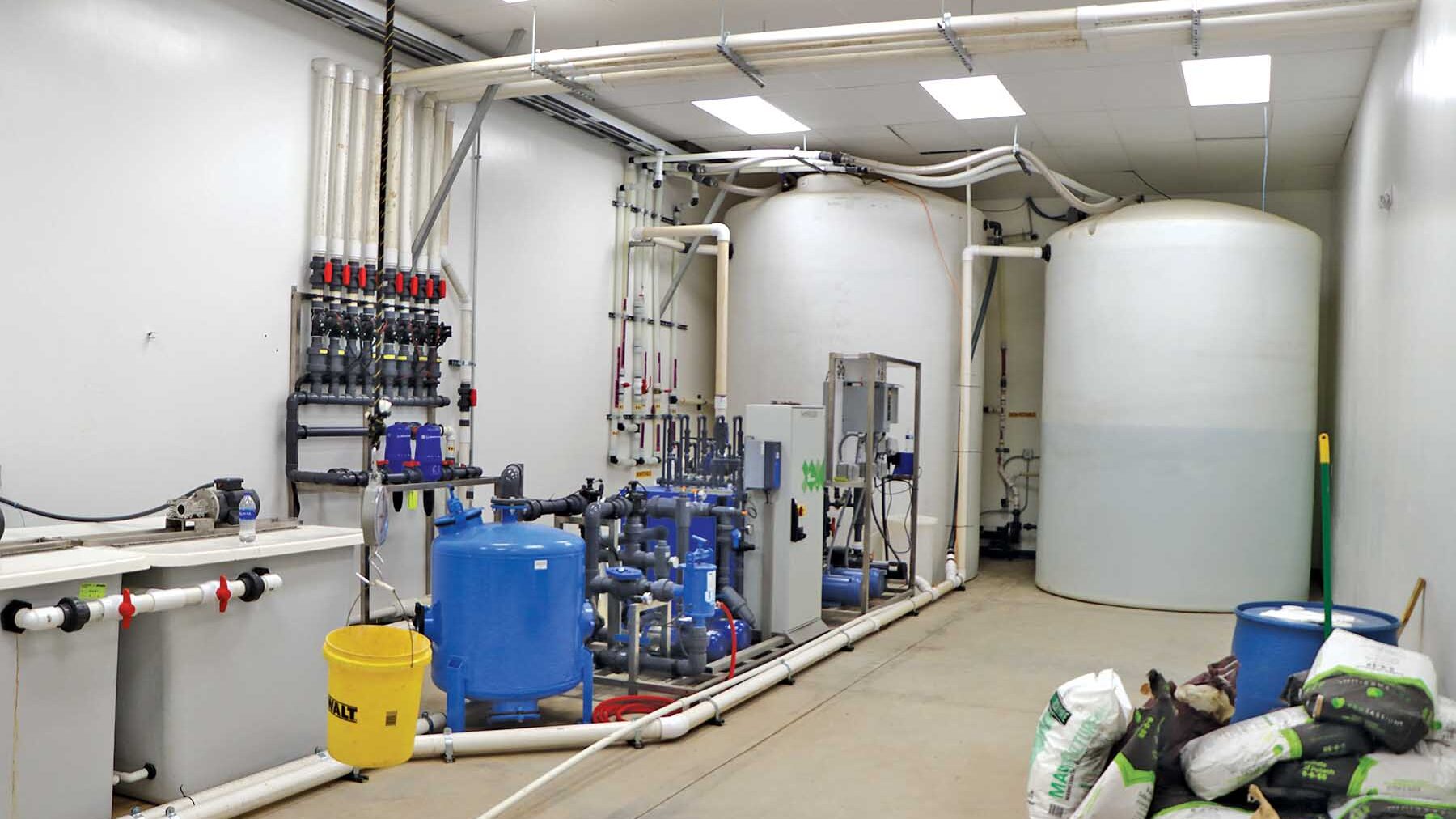
Proper movement and oxygenation are equally important, with submersible pumps circulating the solution and air pumps maintaining oxygen levels. Nutrient injection systems can further improve consistency by delivering precise doses with minimal manual adjustment.
Finally, it’s important growers don’t overlook smaller components. Net pots, or net cups, and growing media like clay pebbles, rockwool or coco coir help anchor plants and support root development. While simple, these elements contribute to the overall stability of a hydroponic setup, and choosing quality materials can help avoid costly repairs or restarts later on.
Sign Up Now To Learn More
Balancing Nutrients And pH Levels
In a hydroponic setup, plants rely entirely on the nutrient solution provided, which makes proper balance essential. Without soil to act as a buffer, even small imbalances can quickly affect plant health.
For this reason, standard garden fertilizers are not suitable for hydroponic use. Instead, growers should use specialized, fully water-soluble nutrients, often formulated as Part A and Part B to prevent unwanted chemical reactions.
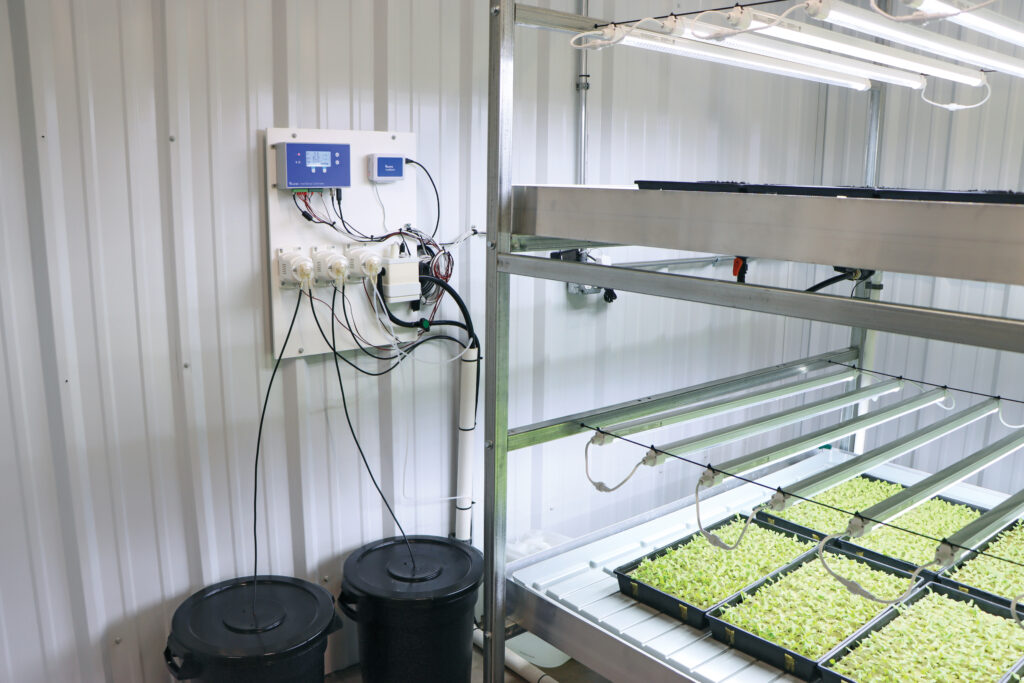
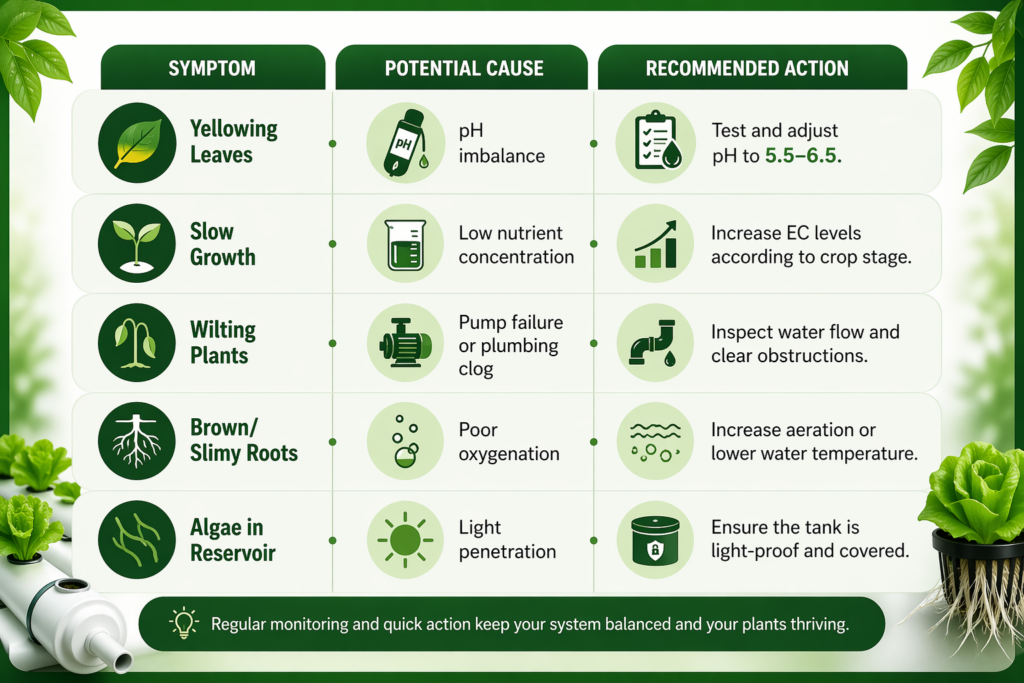
Maintaining the correct pH range is just as important for plant growth. Most crops perform best between 5.5 and 6.5, where nutrients are most readily available for uptake. If pH levels drift outside this range, plants may struggle to absorb nutrients, even when they are present in the solution.
To further refine nutrient management, growers often monitor Electrical Conductivity (EC) or Parts Per Million (PPM), which indicate nutrient concentration. These measurements help prevent overfeeding or underfeeding, both of which can impact growth and yield.
Water quality should also be considered. Tap water is not always ideal due to the presence of chlorine or other additives. If tap water must be used, allowing it to sit for 24 hours can help reduce chlorine levels before adding it to a hydroponic setup.
Essential Maintenance For Your Hydroponic Setup
Even a well-designed hydroponic system requires consistent upkeep to perform at its best. With a lack of routine maintenance, small issues may develop into larger problems that impact plant health and productivity.
One of the most important preventative steps is controlling algae growth. Keeping reservoirs covered and using opaque materials for tubing and channels helps block light and maintain water quality, reducing the risk of contamination.
Growers should also implement routine cleaning sessions, especially between crop cycles. Flushing the system and using a dedicated cleaning solution removes mineral buildup and biofilm, while brushes can be used to clear residue from channels and tubing before restarting.
Monitoring root health provides valuable insight into overall system conditions as well. Healthy roots should be white and firm, while brown or slimy roots may indicate issues, like low oxygen levels or elevated water temperatures. Identifying and addressing these signs early can help prevent more serious complications.
Ultimately, establishing a consistent maintenance routine brings everything together. Regularly checking water levels, nutrient balance and system cleanliness supports stable operation and enables growers to avoid unexpected downtime, so they can get the most out of their hydroponic setup over time.
HYDROPONIC TROUBLESHOOTING GUIDE
Let GrowSpan Design Your Hydroponic Setup
Championed by proper planning and regular upkeep, the right hydroponic setup will facilitate stronger yields, while reducing resource use and operational challenges. GrowSpan provides growers with complete systems and expert guidance, no matter where or what scale they’re operating on.
Whether you’re looking to grow a small amount of crops or produce on a commercial scale, don’t settle for low-quality kits and DIY hydroponics systems. Request a Quote today.
Related Articles
The Complete Guide To Hydroponic Growing Systems: Choosing The Right Hydroponic Garden System
With all the different types of hydroponic systems out there, it’s important for operations to be aware of how each one works, as well as which kinds of crops they work best with.
Growing Smarter: An Overview Of A Hydroponic Greenhouse
For growers looking to implement a hydroponic greenhouse in their operation, they’ll first need to gather information and explore all their options.
How To Minimize Water Borne Disease In Hydroponic Growing
Although using a hydroponics system may eliminate soil borne pests, there are pests and fungi that spread through water, which means cleaning equipment and using an additional filtration system can drastically help reduce the occurrence of disease spreading.
Microgreen Systems As A Source Of Supplemental Income
By selling microgreens to local grocers, restaurants or individuals, growers can put their gardening skills to use and generate an extra source of income.