
Deep Water Culture Hydroponics: A Grower’s Guide To DWC Systems
Deep water culture hydroponics is one of the simplest ways to grow plants, without soil. In a deep water culture (DWC) system, plant roots hang directly in a reservoir of oxygen-rich nutrient solution, so water, nutrients and air all reach the root zone at the same time.
Deep water hydroponics needs only a handful of parts, including a reservoir, net pots, a growing medium, an air pump and air stones. That simplicity makes the method popular with hobbyists, school programs and small-scale commercial growers raising lettuce, herbs and other leafy greens.
This guide covers how the method works, the key benefits deep water hydroponics offers, how to manage water and nutrient flow and the maintenance that keeps a system productive.
How Deep Water Hydroponics Works
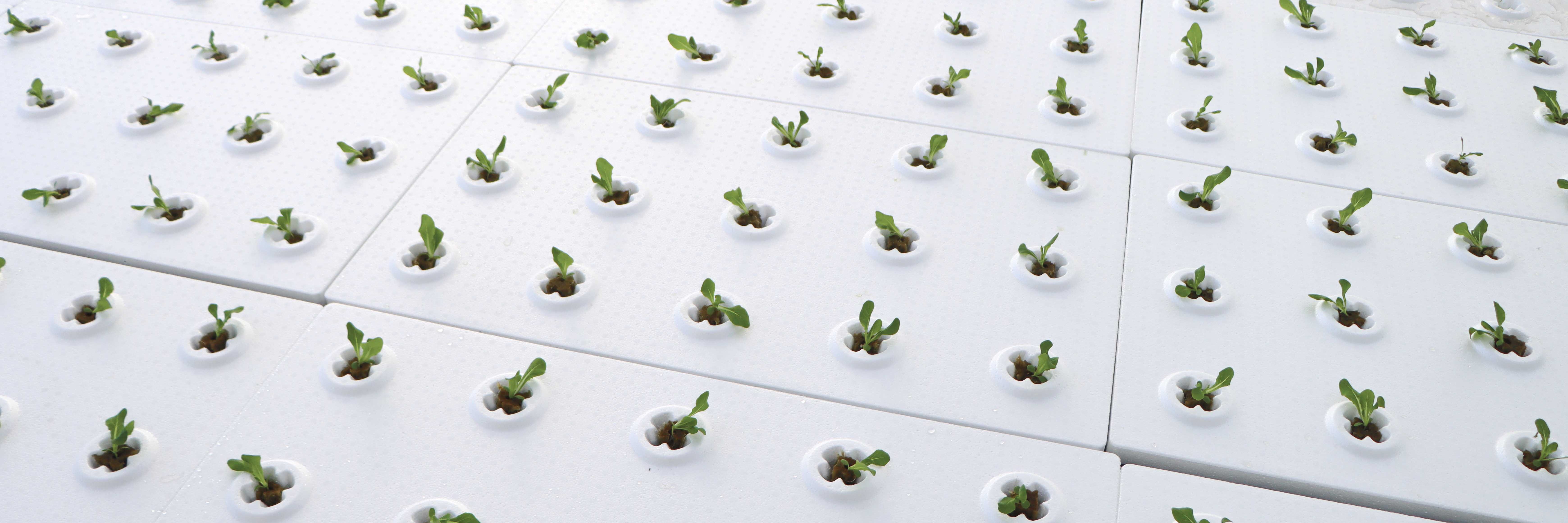
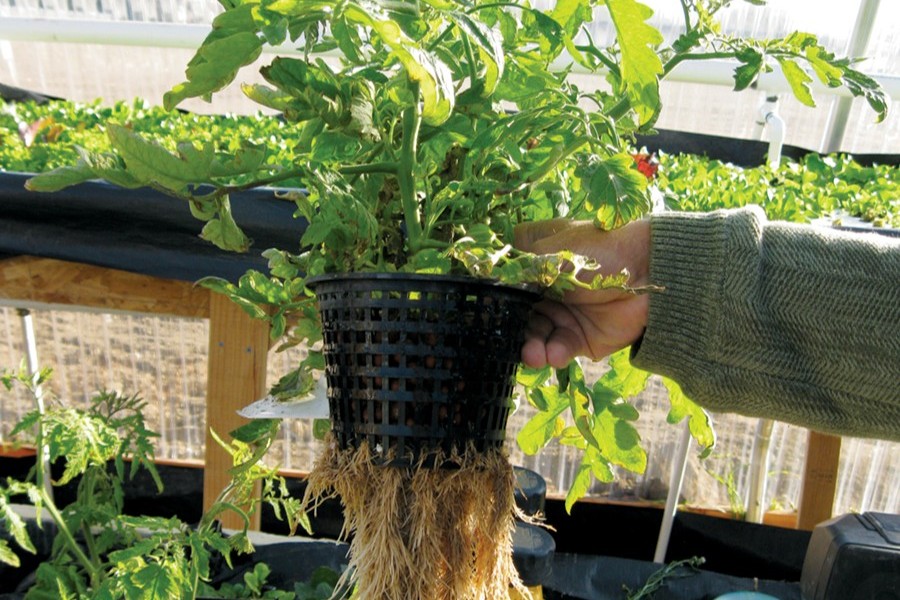
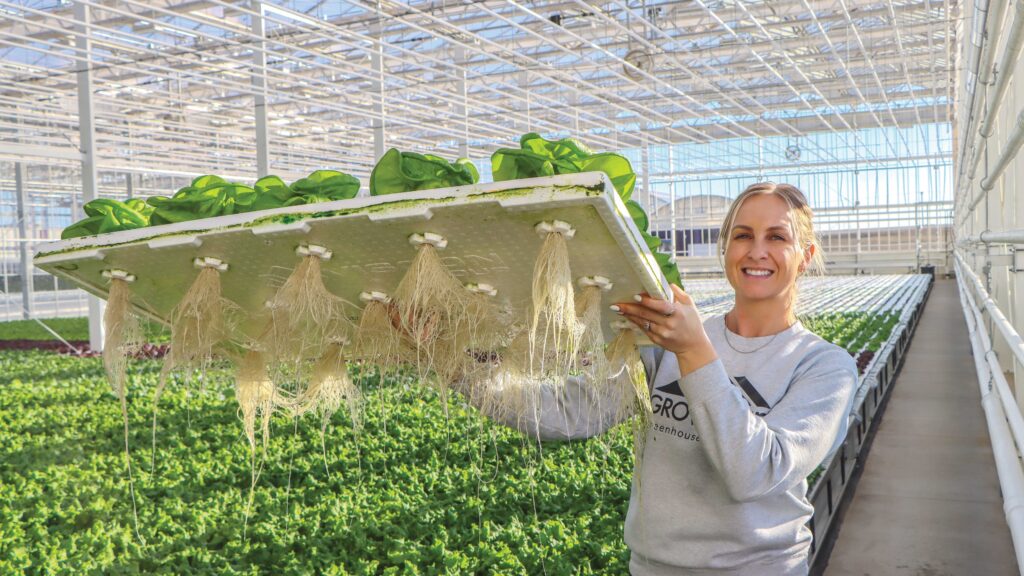
In deep water culture hydroponics, each plant sits in a net pot filled with a growing medium, like clay pebbles or rockwool. The net pot rests in the lid of a covered reservoir and the plant roots grow down into the nutrient-rich solution. An air pump pushes air through tubing to air stones on the reservoir floor, and the fine bubbles provide continuous oxygenation.
Seedlings in deep water hydroponics usually start with the water level high enough to touch the bottom of the net pot. Once the roots are established, many growers lower the level slightly to leave a small air gap. The solution itself is simply water and dissolved nutrients held at a controlled pH and concentration, so the plant takes up exactly what the grower supplies.
Sign Up Now To Learn More
The Main Benefits Of Using Deep Water Hydroponics For Growing Plants
The appeal of deep water culture hydroponics comes from a short list of practical advantages:
- Faster growth. Roots with constant access to water, oxygen and nutrients spend less energy searching for food. Reported plant growth rates run as much as 30 to 50 percent faster than soil-grown plants, depending on the crop and conditions.
- Higher yields. Stable conditions in deep water hydroponics allow continuous growth and shorter crop cycles mean more harvests per year.
- Water efficiency. The reservoir recirculates the same water, and losses come mostly from plants releasing water vapor through their leaves, a process called transpiration. Hydroponic systems can use up to 90 percent less water than conventional field growing.
- Fewer soil-related problems. Removing soil helps eliminate fungus gnats, root aphids, soil-borne pathogens and weeds, which cuts the need for pesticides.
- Simplicity and low cost. A classic setup has few moving parts and requires no timers or drip lines, which keeps both equipment costs and daily labor low.
- Space efficiency. Large plants can grow in compact containers, and inside a greenhouse, the method supports year-round production.
Deep water culture hydroponics performs best with leafy greens and herbs, like lettuce, basil, spinach and kale. Fruiting crops can be grown, but they demand closer attention to nutrient strength and root space.
Optimizing Water And Nutrient Flow In Deep Water Culture Hydroponics
Good flow in deep water hydroponics comes down to aeration, circulation, temperature, chemistry and root space.
Aeration
Several fine-bubble air stones spread across the reservoir floor work better than a single large stone, producing an even, steady bubbling instead of one localized stream. The air pump should be sized to the reservoir volume and the stones need occasional cleaning, because mineral deposits reduce airflow.
Circulation
Even in a still system, stagnant zones can develop where pH, nutrient strength and temperature drift apart. A small, low-wattage pump or powerhead keeps the solution gently moving.
The current should mix the water, without battering the delicate root hairs. For larger plants, some growers add a top-feed drip line on a timer during early growth to speed root development.
Temperature
Reservoir water should stay between roughly 65 and 72°F (18 to 22°C). Cooler water holds more dissolved oxygen and discourages Pythium, the pathogen behind most root rot. An opaque reservoir blocks light, which prevents algae, and a larger volume resists temperature swings better than a small one.
Chemistry
Most crops do well with a pH between 5.5 and 6.5, with many leafy greens preferring the 5.8 to 6.2 range. Electrical conductivity (EC) for leafy greens typically sits between 1.2 and 2.0 mS/cm.
Since plants often drink water faster than they consume nutrients, EC can creep upward as the amount of nutrient solution drops. Topping off with plain, pH-adjusted water usually corrects that better than adding more fertilizer.
Root Space
Net pots should match the plant size and hold an airy medium, so roots can grow downward, without clogging the flow.
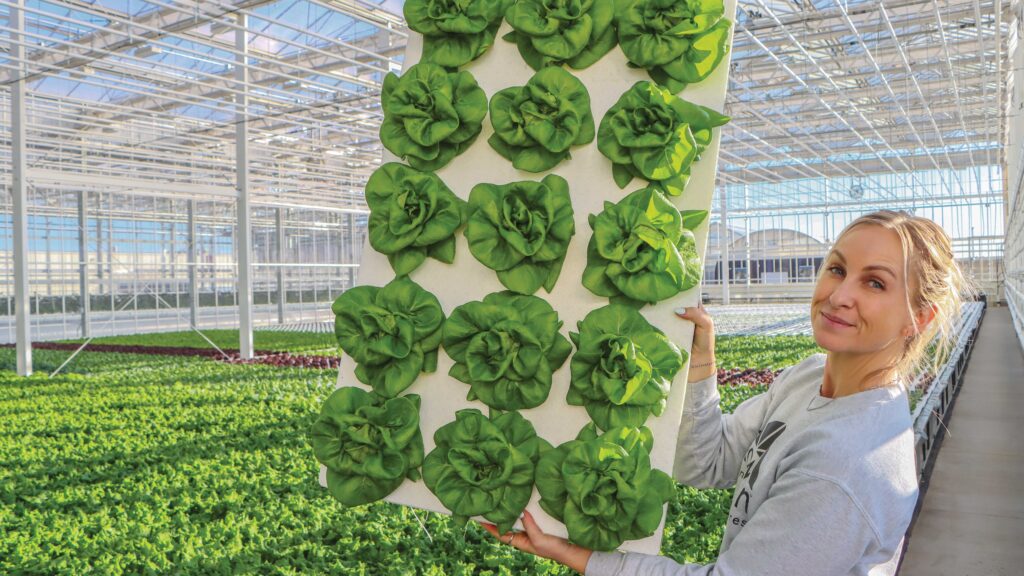
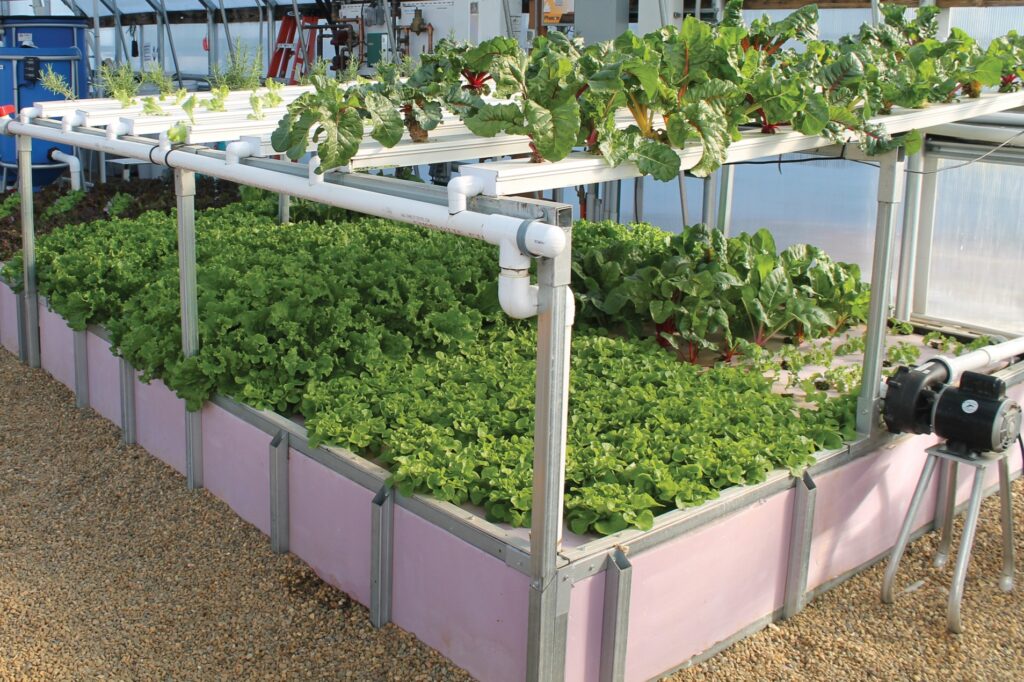
GrowSpan Employs DEep Water Culture Hydroponics In Its Campus Venlo
What Maintenance Is Required For A Deep Water Culture Hydroponics System?
Maintenance is one of the easier parts of deep water culture hydroponics, because a short, steady routine keeps the whole system running smoothly.
A quick daily look is usually enough to keep a system on track. The air pump should be running, the stones bubbling steadily and the tubing secure, with water level, temperature and pH getting a glance as well. EC and PPM readings can be taken daily or at least two to three times a week, and a digital pH meter, an EC meter and a simple water thermometer make the job quick and affordable.
Once a week, a closer look at the roots confirms everything is working. Healthy roots are white or cream-colored and firm, and any change in color or a sour smell is an early cue to fine-tune aeration or sanitation. The same pass covers the lid and net pots for algae and biofilm, the air stones for mineral buildup and the pumps, tubing and electrical connections, along with a quick scan of the leaves for pests.
A fresh reservoir every one to two weeks resets nutrient ratios and gives plants a clean start, but the change can come sooner whenever the water looks cloudy or readings drift. Topping off with pH-adjusted water in between keeps nutrient strength steady.
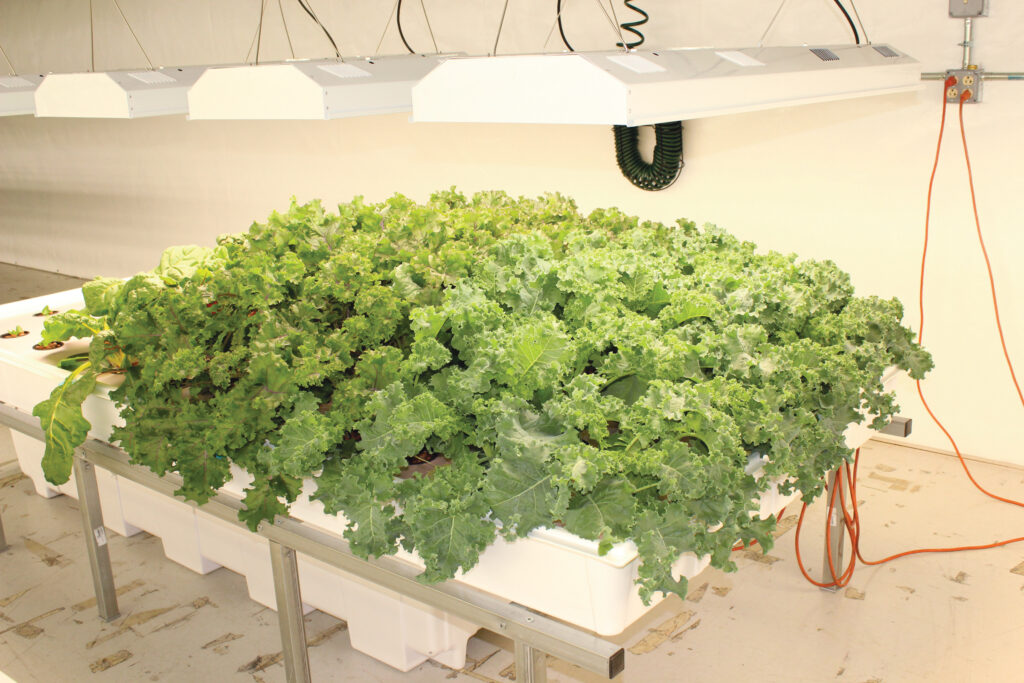
After each harvest, a full reset readies the system for the next crop. The reservoir is emptied and scrubbed, and the lid, net pots, air stones and tubing are sanitized with hydrogen peroxide or a horticultural sanitizer used according to the label. Using one cleaning product at a time, never mixing bleach and acids, keeps cleanup safe.
Deep water culture hydroponics gives growers a simple, efficient way to raise leafy greens and herbs. Deep water hydroponics performs best in a controlled space, like a greenhouse, where climate controls help protect reservoir conditions. For other crops or larger operations, GrowSpan's HydroCycle line also includes NFT, Dutch Bucket systems and more, and a GrowSpan Greenhouse Specialist can help match crops, space and budget to the right system.
To start utilizing deep water hydroponics, or another type of HydroCycle system, call or Request a Quote today.
Related Articles
The Complete Guide To Hydroponic Growing Systems: Choosing The Right Hydroponic Garden System
With all the different types of hydroponic systems out there, it’s important for operations to be aware of how each one works, as well as which kinds of crops they work best with.
How To Minimize Water Borne Disease In Hydroponic Growing
To keep their operation running efficiently, every grower should have an understanding of the most common types of water borne diseases in hydroponics, as well as how to deal with them appropriately.
Microgreen Systems as a Source of Supplemental Income
By selling microgreens to local grocers, restaurants or individuals, growers can put their gardening skills to use and generate an extra source of income.
Planning And Maintaining Your Hydroponic Setup
This guide breaks down how growers can plan, build and maintain a hydroponic setup that delivers reliable results over time.