Planning Your Perfect Greenhouse: Features, Systems And Models To Consider
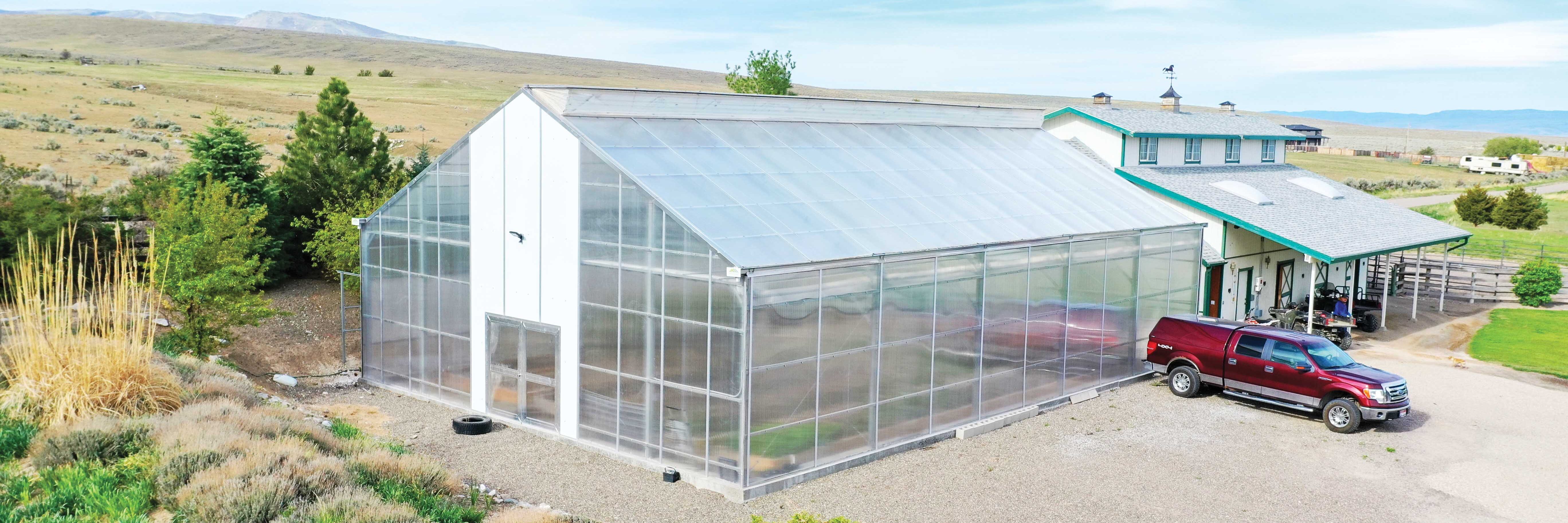
The perfect greenhouse looks different for every grower. A garden center, a vegetable producer, a school agriculture program and a commercial cannabis operation all need protection from the weather and control over the growing environment, but each needs that control at a different scale and with different equipment.
The strongest results come from planning the structure, the environmental controls and the growing system together rather than treating them as separate purchases. This guide covers the features that matter most when planning a perfect greenhouse, the grower solutions that make a greenhouse productive and the GrowSpan models that bring those pieces together.
What Features Should I Look For In A Greenhouse Solution?
A greenhouse is a long-term investment, so the decisions made during planning shape performance for years. Several features deserve the closest attention when designing a perfect greenhouse.
Size, Space And Expandability
A perfect greenhouse starts with the right amount of space, and greenhouses tend to fill up faster than expected. Planning for growth matters as much as planning for current needs.
The available footprint should be measured with room left for walkways, deliveries and equipment. Gutter-connected designs allow bays to be added over time, making it possible to reach nearly any size.
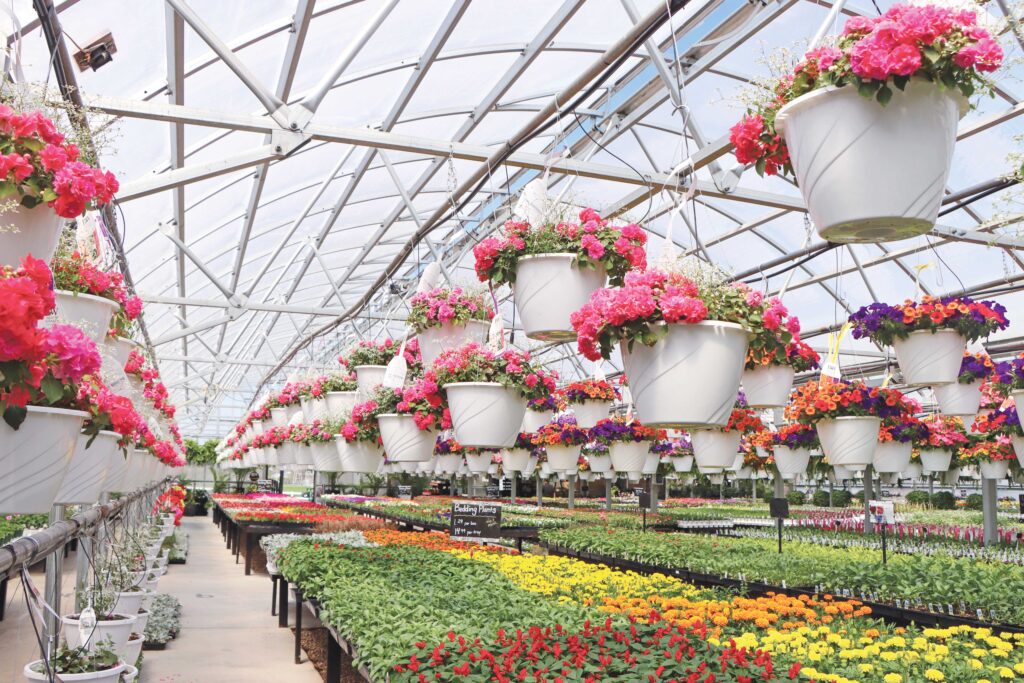
Height matters as well. Extra-tall sidewalls provide usable space for tall crops, hanging baskets and overhead equipment, like shade systems.
Frame Materials
In a perfect greenhouse, the frame is built for the worst weather the site is likely to see, so it determines how well the structure handles wind, snow and years of daily use. Aluminum is lightweight and rust-resistant, while wood offers a classic look, but needs regular staining or sealing to prevent rot.
Galvanized steel is the standard for professional growers, because of its strength under heavy wind and snow loads. Triple-galvanized steel frames are an ideal option in regions that frequently experience heavy snow or wind.
Cladding And Covering Options
The covering is one of the biggest factors in creating a perfect greenhouse environment, controlling how much light, heat and insulation a structure delivers. Twin-wall polycarbonate insulates well, diffuses light evenly and resists impact. Glass offers superior light transmission, but is heavier and more expensive. Polyethylene film is budget-friendly, but typically needs replacement every few years.
Many operations combine materials, like a poly film roof with polycarbonate sidewalls, to balance cost and durability. GrowSpan offers polycarbonate, poly film and glass options, so the covering can be matched to the crop, climate and budget.
Climate Control And Ventilation
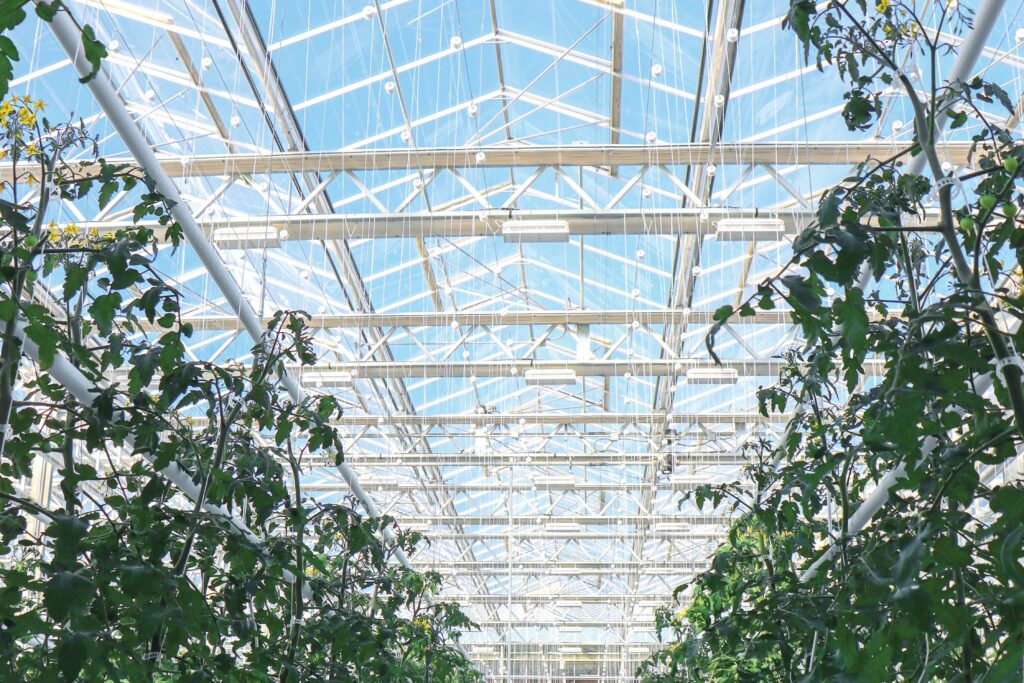
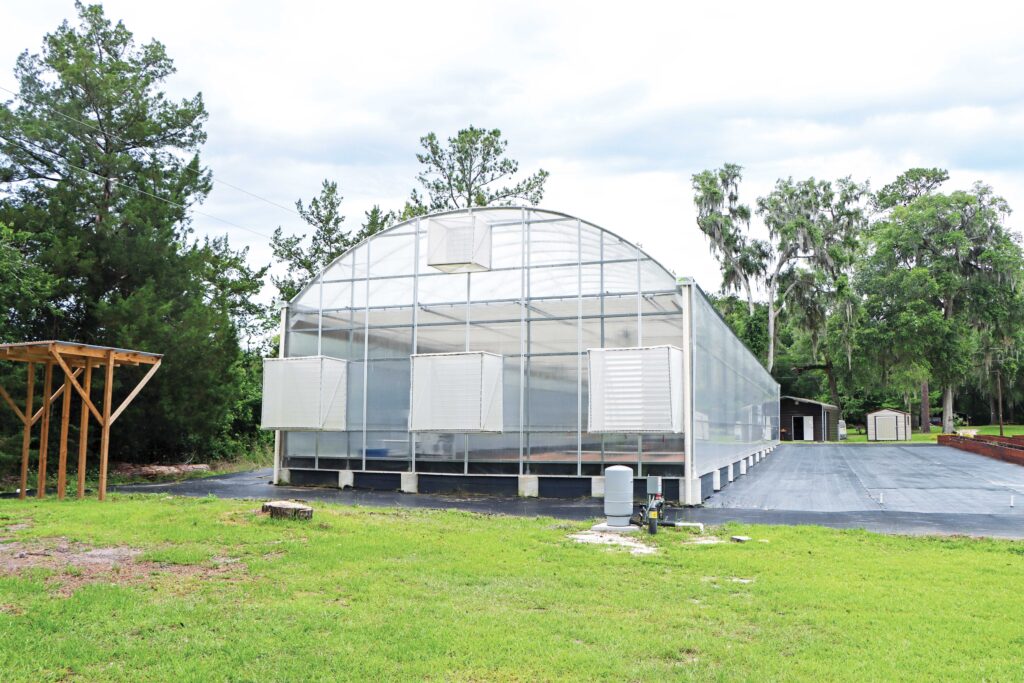
Climate control separates an ordinary structure from a perfect greenhouse, because temperature spikes happen quickly and reliable airflow is essential. Roof vents and exhaust fans release excess heat, circulation fans prevent stagnant air that encourages fungal disease and heating extends the season in colder climates. Peak-roof designs promote natural ventilation, and continuous roof vents or end vents add more passive airflow.
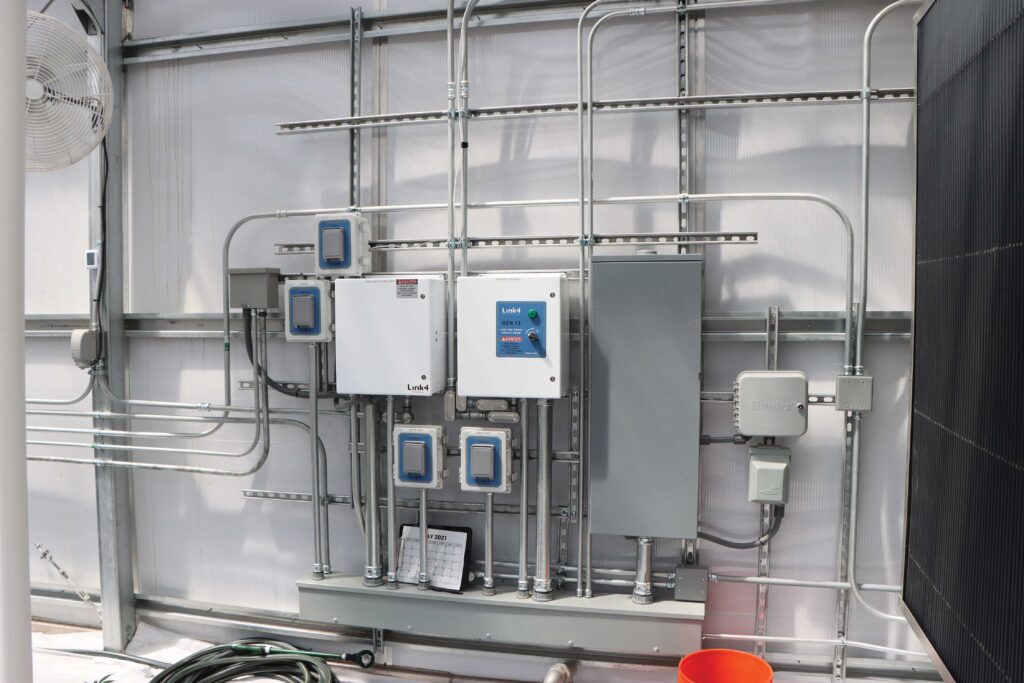
For complete control, a full environmental package typically includes heating, cooling and ventilation, evaporative cooling, humidity control, CO2 enrichment, lighting and shade systems. GrowSpan offers each of these options, along with pre-designed systems that take the guesswork out of sizing equipment for smaller greenhouses.
To learn more about the equipment needed to operate a greenhouse year-round, visit this article.
Automation, Monitoring And Energy Efficiency
Consistent control and efficient operation are hallmarks of a perfect greenhouse, and automation delivers both, especially as operations scale. A central controller can coordinate heating, cooling, ventilation and other equipment, while sensors track temperature, humidity and light.
Structural efficiency matters just as much. Tight seals, insulating cladding and well-matched equipment all reduce energy use. GrowSpan greenhouses are designed to be environmentally friendly and can reduce an operation’s energy consumption, and GrowSpan Greenhouse Specialists can recommend energy- and labor-saving options that fit each operation.
Foundation, Doors And Access
A solid foundation helps a perfect greenhouse perform for years to come by keeping the structure square and securely anchored, which is especially critical in storm-prone areas. Door size and style affect daily workflow, because wide doors make it easier to move carts, pallets and trays, and sliding doors resist wind. Good drainage and easy hose or irrigation routing keep floors manageable and watering efficient.
Accessible components, available replacement parts and dependable service round out the list. GrowSpan manufactures in house and offers in-house installation services, keeping each project under one team’s control from start to finish.
Sign Up Now To Learn More
What Are The Best Grower Solutions For Greenhouse Cultivation?
A perfect greenhouse is productive, as well as protective, and getting there depends on the grower solutions inside the structure. The best solution depends on crop type, greenhouse size, climate and production goals.
The strongest operations typically combine precise irrigation, climate control, monitoring and a growing system matched to the crop. A useful way to picture the complete setup is as a stack: structure, ventilation and cooling, irrigation and fertigation, sensors and finally automation. This article covers the full range of ideal accessories.
Precision Irrigation And Fertigation
Delivering water and nutrients directly to the root zone is often the highest-impact upgrade in a greenhouse. Drip irrigation works well for tomatoes, peppers, cucumbers, berries, ornamentals and container crops.
Fertigation systems inject nutrients into the irrigation line, while monitoring and controlling EC and pH, which reduces human error and wasted inputs. Filtration and water treatment, including reverse osmosis where source water quality requires it, further improve consistency.
Growing Systems Matched To The Crop
Different crops call for different systems. Raised soil beds suit many vegetable and flower operations, and benches support nursery and ornamental production. Hydroponic systems offer additional control.
Nutrient film technique (NFT) is efficient for lettuce and herbs, ebb and flow works well for nursery crops and potted plants and Dutch bucket systems suit larger fruiting crops. GrowSpan's HydroCycle hydroponic growing systems include NFT systems, aquaponics, ebb and flow, Dutch bucket, microgreen and vertical aeroponic systems.
Crop-specific combinations help narrow the choices for a perfect greenhouse:
- Tomatoes, cucumbers and peppers – High-wire trellising, drip fertigation, climate automation, CO2 supplementation and pollination management.
- Leafy greens and herbs – NFT or deep-water systems, supplemental lighting where needed and automated nutrient control.
- Nursery and ornamental plants – Bench systems, subirrigation, automated watering and climate zoning.
Suggested Setups By Operation Size
Scale changes what a perfect greenhouse looks like.
- Hobby and small-scale growers – Typically need dependable protection plus basic control. A small greenhouse with a heater, fans and a thermostat, paired with timer-based drip irrigation, covers the essentials.
- Small commercial growers – Benefit from a gutter-connected structure, along with drip fertigation, a controller and moisture or EC monitoring.
- Large commercial growers – Generally need integrated climate control, automated nutrient dosing, water treatment and data tracking, typically inside a large, gutter-connected or glass Venlo structure.
Popular Greenhouse Models And Their Features
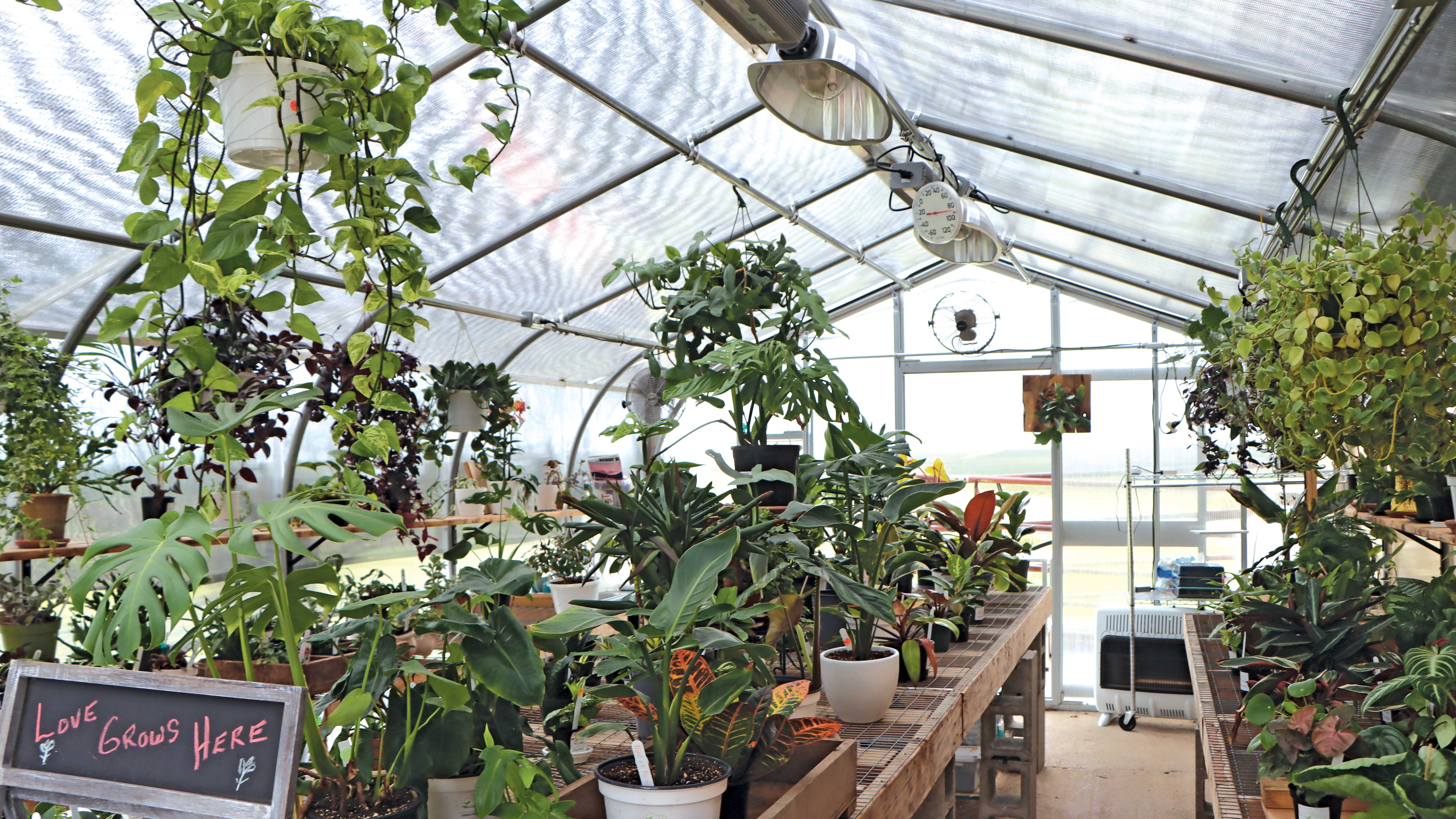
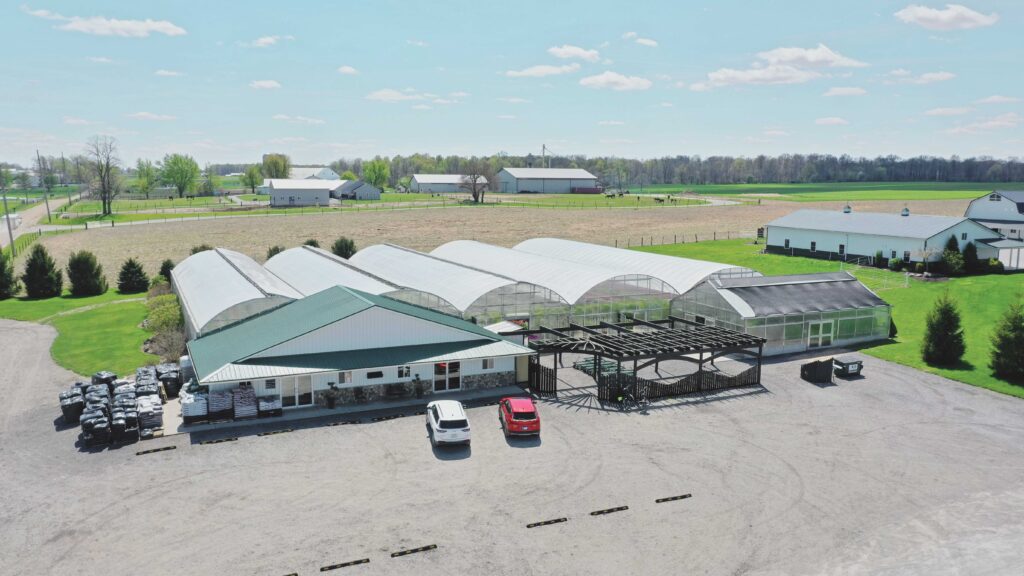
The right model depends on climate, crops, budget and growth plans, and the perfect greenhouse for one operation may not suit another. The following GrowSpan structures cover the most common needs.
Series 2000 Commercial Greenhouse
Built for the most competitive growers, the Series 2000 pairs a triple-galvanized steel frame with 8 mm twin-wall polycarbonate covering. The peak roof reduces the buildup of water, ice and snow, the 10' sidewalls maximize usable space and gutters on both sides allow gutter connection.
End Frame Kits and End Cladding Kits are available, with cladding in corrugated polycarbonate or 8 mm twin-wall polycarbonate. This model fits commercial operations in regions with heavy snow or wind, year-round production and growers who want a fully customizable polycarbonate structure.
Series 1000 Commercial Greenhouse
The Series 1000 is the most versatile and economical option in the Commercial Series, offering a lower cost per square foot. An arched design helps shed snow and ice, a double poly film roof keeps costs low and polycarbonate sidewalls add durability.
Gutters on both sides allow multiple bays to be connected and expanded as an operation grows, and optional continuous roof vents or end vent kits add natural ventilation. The design suits economical vegetable and bedding plant production as well as hydroponics.
Venlo Glass Greenhouses
For growers who want to grow and profit on a massive scale, GrowSpan offers Venlo Glass Greenhouses built on Dutch technology. Traditional, Cabrio and Widespan Venlo styles are available, each delivering the light transmission that glass is known for.
Gothic and Round Premium Greenhouses
Premium Greenhouses are among GrowSpan's most versatile structures, serving professional facilities, ornamental retail operations and backyard growers alike. Gothic and round styles are clad in twin-wall polycarbonate, with corrugated polycarbonate also available, and the covering carries a 10 year warranty. Condensation control helps reduce moisture buildup, and pre-designed greenhouse systems make outfitting a structure simple.
Pro, Estate Deluxe And Other Structures
Gothic Pro and Round Pro greenhouses round out the professional range, while Estate Deluxe greenhouses bring an all twin-wall polycarbonate design to gardens and smaller operations. Estate Deluxe greenhouses can be used year-round, and they also work well for season extension in the coldest climates, like Minnesota, where a 16'W x 13'L Estate Deluxe adds one to two months to a gardener's growing season. GrowSpan offers high tunnels, shade structures, cold frames and horticulture headhouses for operations to choose from as well, ensuring there’s a solution to meet any grower’s needs.
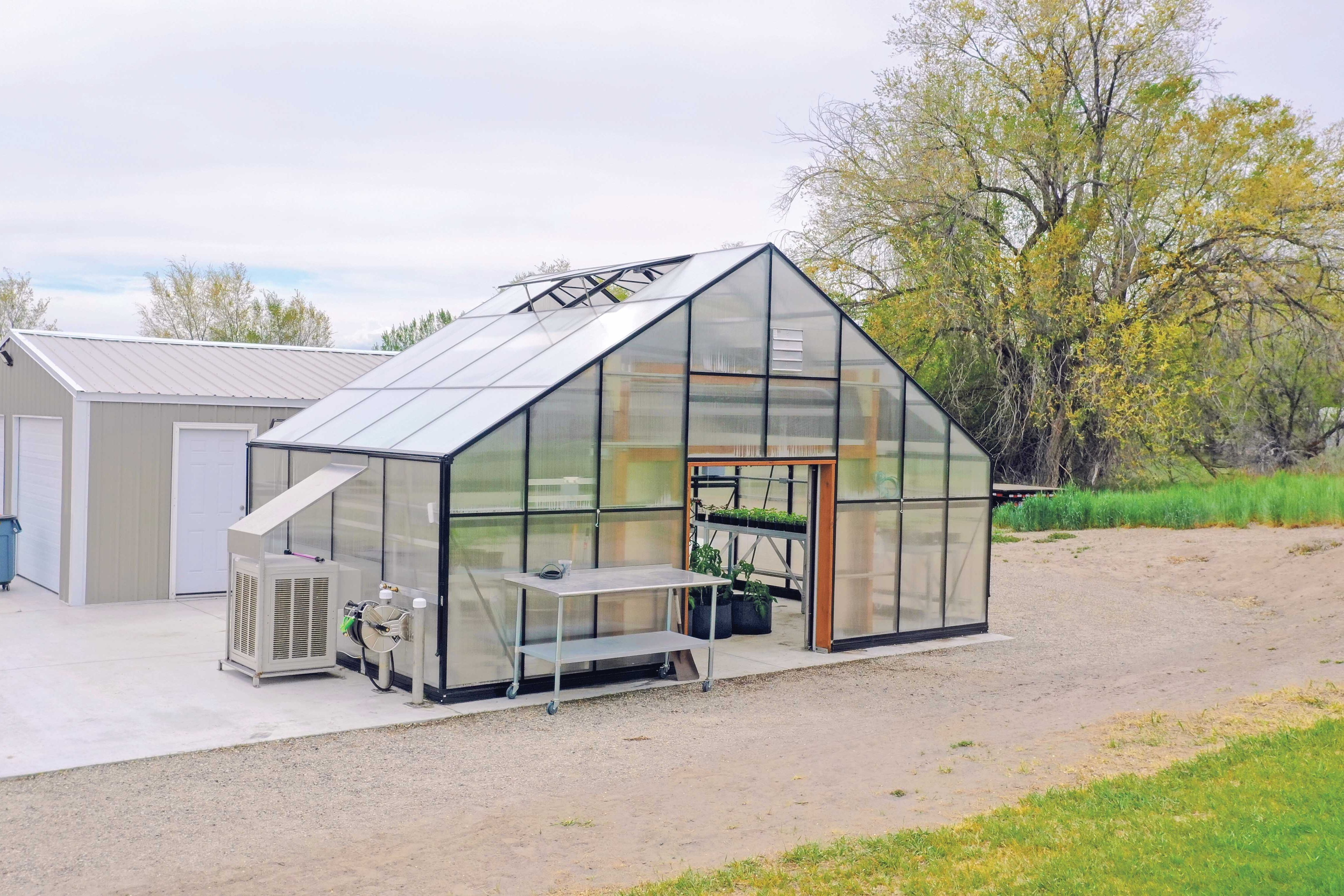
PLAN YOUR PERFECT GREENHOUSE WITH GROWSPAN
A perfect greenhouse starts with a plan built around the crop, the site and the budget. GrowSpan Greenhouse Specialists work with growers every step of the way to match the structure to the operation, on time and on budget.
GrowSpan uses CASTA design, and 3D renderings help growers visualize a structure before construction begins. Since GrowSpan manufactures in house and provides installation services, every project stays under one team's control, and financing options are available to help make a build more attainable. To learn more about what to look for in a greenhouse company, visit this article.
Ready to start designing your perfect greenhouse? Call or Request a Quote today to speak with a Greenhouse Specialist.
Related Articles
The Essential Commercial Greenhouse Supplies Checklist
Greenhouse operations require a wide variety of equipment and accessories, ranging from smaller, more basic items that every grower relies on, to the larger components that allow their structure to function properly year-round.
Looking To Build A Huge Greenhouse? Here’s What To Consider For A Large Greenhouse
Constructing a large greenhouse opens up opportunities to increase growing capacity and create an overall more profitable operation.
The Biggest Decisions When Choosing Designs For Greenhouses
It’s rare that two greenhouse projects are one in the same, and the right design is something that’s often unique to each individual operation.
Choosing A Greenhouse Supplier: Greenhouse Company Guide
With this guide, growers will be better prepared to evaluate greenhouse suppliers and identify who’s capable of supporting their goals.