Commercial Cannabis Cultivation Tips: How To Get More From Your Greenhouse
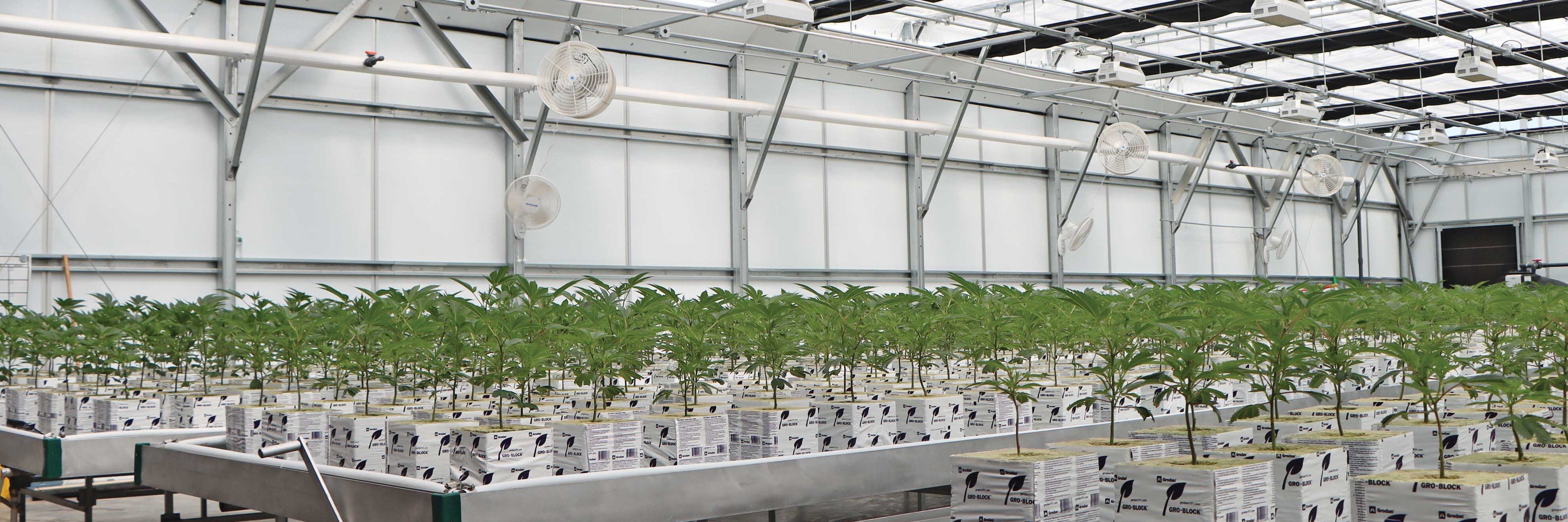
Commercial cannabis cultivation is a balancing act. Today’s growers want the quality and control of an indoor grow room, but they also want the lower energy costs and natural sunlight that come with greenhouse production. A well-designed greenhouse can deliver both when the structure, equipment and growing strategy work together.
With the right combination, growers are able to maintain precise control in any region and in all four seasons. The sections below answer three of the most common questions cannabis growers ask when planning a greenhouse operation: what equipment is essential, how to optimize the environment for different strains and how light deprivation affects yield and quality.
What Equipment Is Essential For A Successful Cannabis Greenhouse?
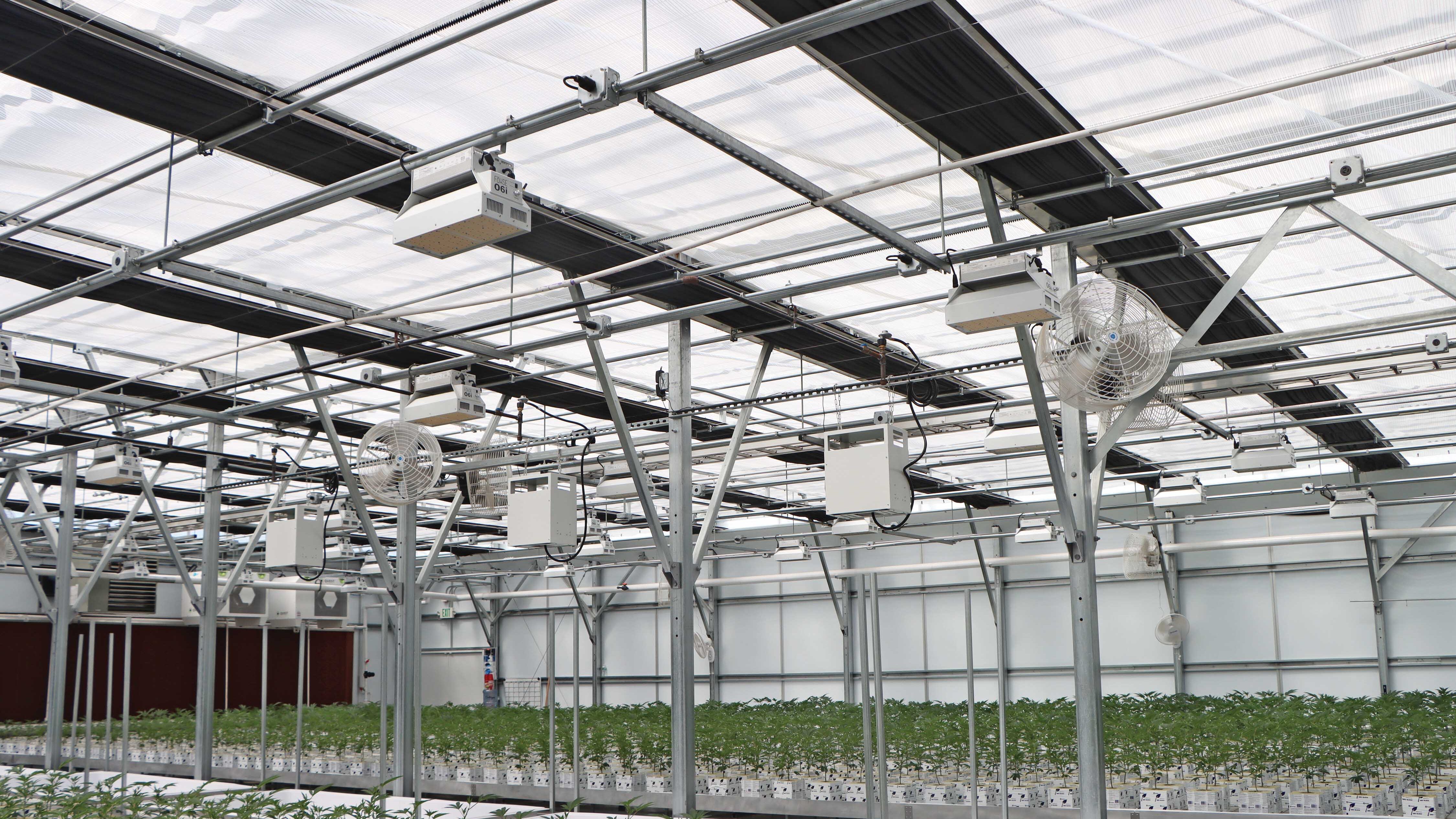
Successful cannabis greenhouses require a durable structure, a light deprivation system, full climate control, supplemental lighting and automated irrigation, along with a high-quality controller to manage it all.
A Durable, Properly Sized Structure
Commercial cannabis cultivation demands a frame that can handle hanging equipment, local weather and years of daily use, as well as a covering that fits the climate and the grower’s goals.
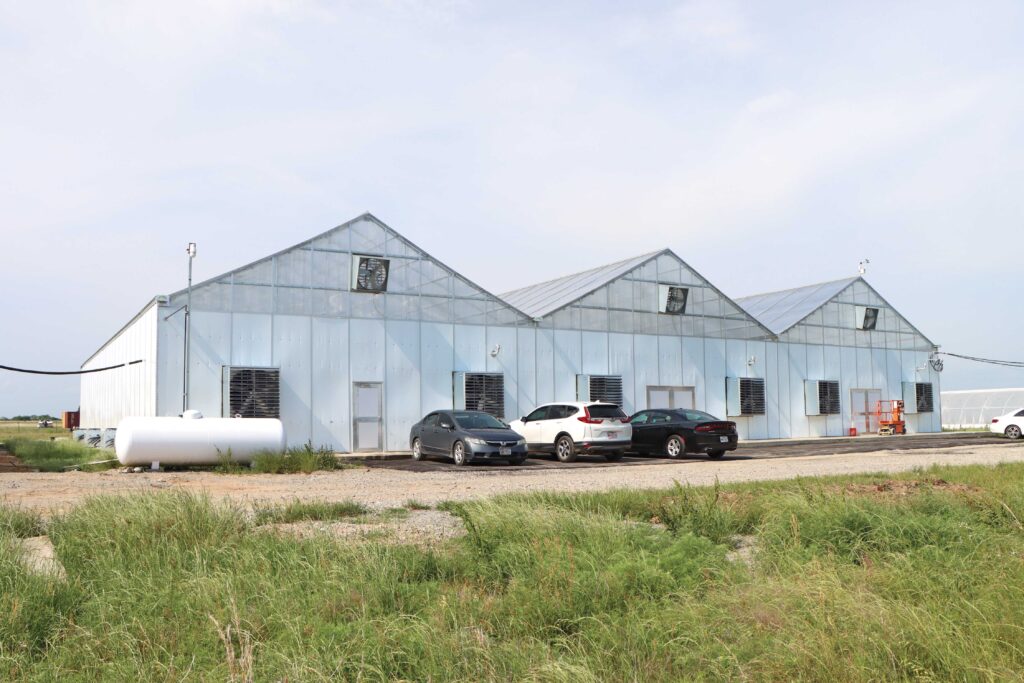
The GrowSpan Series 2000 Commercial Cannabis Greenhouse is a good example of what to look for. It features galvanized steel construction, durable 8 mm polycarbonate covering and extra-tall 10′ sidewalls that give tall plants and equipment room to work. Its gothic peak promotes ventilation and helps minimize snow, ice and water buildup, and gutter-connected bays allow an operation to expand as it grows.
A Light Deprivation System
Cannabis plants flower in response to long, uninterrupted darkness, and a blackout system lets growers trigger flowering on demand, instead of waiting for the seasons. This is covered in more detail below.
Climate Control And Ventilation
Cannabis plants transpire a lot of water, especially in the flowering stage, so humidity can climb fast. Climate equipment for commercial cannabis cultivation should include:
- Heating, cooling and ventilation: exhaust and intake fans, heaters and evaporative cooling to manage temperature swings.
- Horizontal airflow fans: constant air movement through the canopy prevents stagnant pockets where mold and mildew can take hold.
- Humidity control: dehumidification is critical in late flower, when dense buds are most vulnerable to bud rot.
- Shade systems: these reduce heat and light intensity during the hottest parts of the year.
- Odor mitigation: especially important for facilities near neighbors or communities.
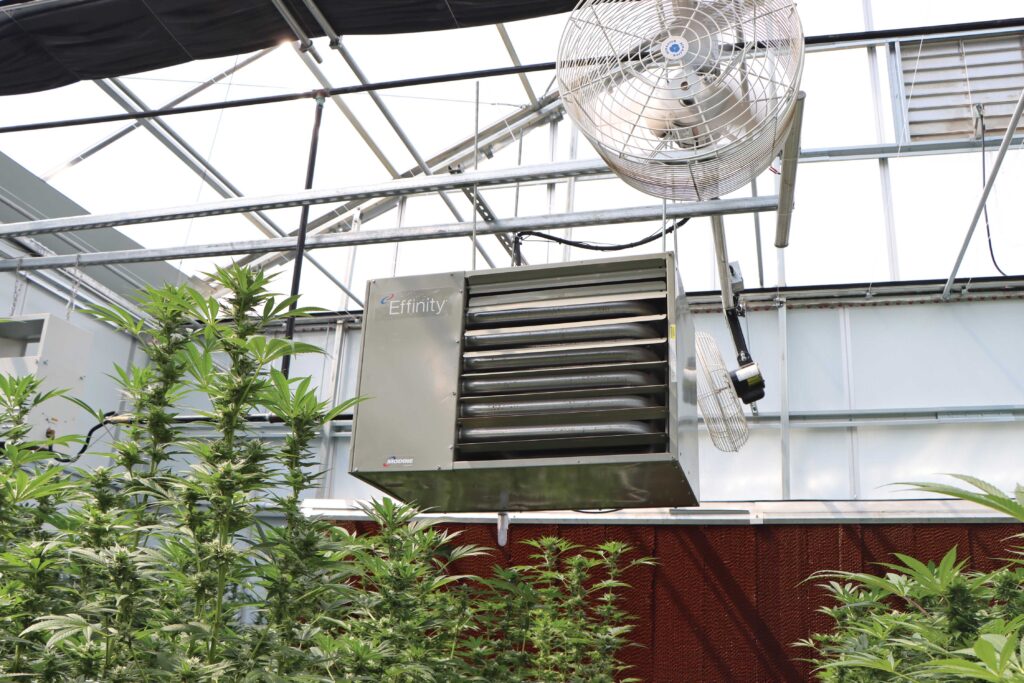
Tall structures help here, too. Extra headroom gives warm, humid air more space to move, which makes humidity easier to manage.
Supplemental Lighting
Even in a greenhouse, supplemental lighting is often standard practice. Lights extend day length in winter and add light on cloudy days to keep production steady. Because the sun does most of the work, energy costs stay well below those of a fully indoor operation.
Irrigation And Fertigation
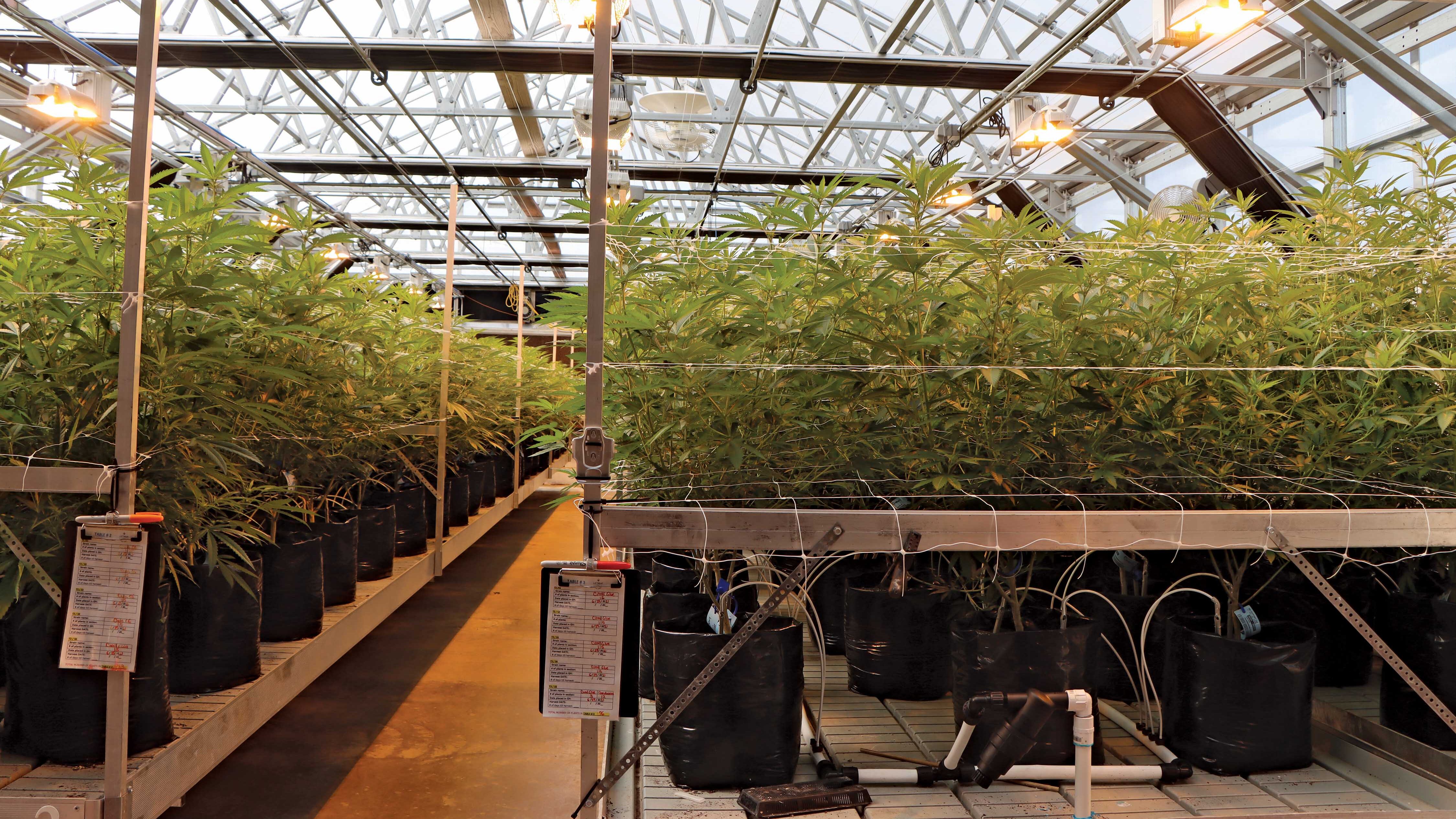
Consistency is everything in commercial cannabis cultivation. Automated drip irrigation and fertigation systems deliver water and nutrients evenly to every plant and cut labor along the way. Filtering water and checking pH and EC regularly helps protect plant health and keeps feed programs predictable.
Environmental Controllers
A centralized environmental controller ties every system together. It monitors conditions and automates fans, vents, heating, cooling and lighting, so teams aren’t making constant manual adjustments.
Benches
Benches help ensure commercial cannabis cultivation stays organized and efficient. They raise plants off the floor, improve airflow and make the growing space easier to work in. Sturdy, well-planned greenhouse benches also help use floor space efficiently and make routine tasks, like irrigation checks, pruning and harvesting, more manageable.
Can You Share Tips For Optimizing Greenhouse Environments For Different Strains Of Cannabis?
The key is to treat each strain’s published setpoints as a starting point and adjust airflow, humidity, height and light to how that strain actually grows. In commercial cannabis cultivation, genetics influence how tall plants stretch, how dense the flowers get and how sensitive they are to heat, humidity and light. These tips hold up across most strains.
Match airflow and humidity to flower density. Compact strains with dense flowers hold moisture and are especially prone to bud rot. They benefit from strong airflow and tighter humidity control in the flowering room. Taller, airier strains are generally more forgiving, but still need aggressive ventilation in late flower.
Plan for height. Strains that stretch need vertical clearance and early canopy management. Extra-tall structures give growers room to work, without crowding plants against lighting or the roof.
Separate zones when needs differ. If two strains prefer different conditions, growing them in separate zones is easier than compromising on one setting. A gutter-connected greenhouse can be divided into zones with their own controls, so each strain gets what it needs.
Monitor at canopy level. Average readings can hide problem spots. Sensors placed at canopy height in several areas catch microclimates before they affect the crop.
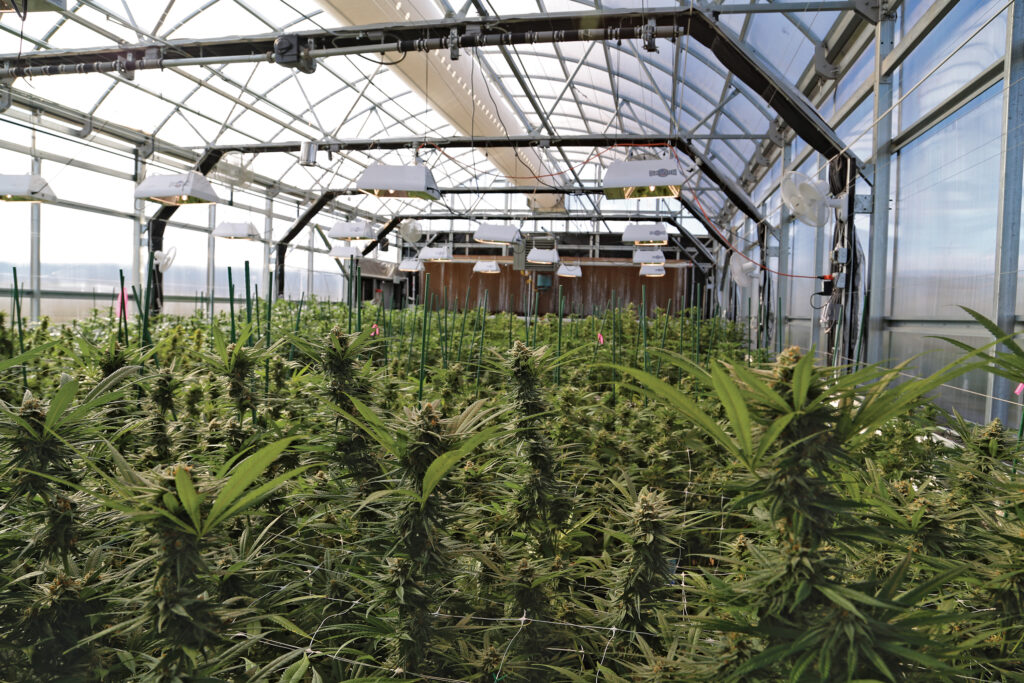
Increase light gradually. Light-hungry strains can handle more intensity, but more isn’t always better. Raising light levels slowly, while watching how plants respond, gives the best results.
Automate and keep records. Environmental controllers can respond to sensor readings faster than any manual routine. Tracking conditions alongside growth, flowering behavior and harvest quality each cycle builds an environmental profile for every strain over time.
Sign Up Now To Learn More
How Does Light Deprivation Affect The Quality And Yield Of Greenhouse-Grown Cannabis?
Light deprivation gives growers control over when cannabis plants flower, which supports multiple harvests per year. It can protect quality when it is paired with good airflow and enough total light. Cannabis is a short-day plant, so it begins flowering when it receives enough uninterrupted darkness. In a greenhouse, a blackout system creates that darkness on a set schedule, no matter what the sun is doing.
The Impact On Yield
The biggest benefit is control. Instead of waiting for fall to trigger flowering, growers can move plants into flower whenever they reach the right size, keeping greenhouse space productive. GrowSpan's Blackout System is fully automated, so it can put the entire structure into total darkness quickly and with minimal labor. That's a major advantage in large-scale commercial cannabis cultivation, where manually pulling curtains is time-consuming.
Light deprivation is a flowering-control tool, not a replacement for adequate total light. Research on greenhouse cannabis shows that flower yield generally tracks the cumulative light plants receive. Shading too heavily, or skipping supplemental lighting when conditions are dim, can cost biomass even if the plants flower on schedule.
The Impact On Quality
When managed well, greenhouse-grown cannabis plants benefit from natural sunlight during veg and early flower, and from the protection of a controlled structure in the final weeks before harvest. Studies suggest cannabinoid levels can stay relatively stable even when yield shifts, while terpene responses vary by strain and lighting program.
The main quality risk is heat and humidity. A sealed blackout can trap warm, moist air, which creates ideal conditions for powdery mildew and bud rot. That's why airflow matters during every blackout cycle. GrowSpan's Blackout System offers breathable wall options, including fans, vents and breathable blackout curtains, so ventilation continues during darkness and plants don't come under unnecessary stress.
Build Your Commercial Cannabis Cultivation Facility With GrowSpan
Successful commercial cannabis cultivation depends on getting the details right: a durable structure, reliable environmental control, the right light strategy and a layout that fits the strains being grown. GrowSpan designs, manufactures and installs greenhouses in-house, keeping each project under one team's control from concept to completion.
Every GrowSpan cannabis greenhouse is customizable, from the Series 750 andSeries 1000 to Series 2000 and Venlo options for large-scale production. Each can be outfitted with benches, lighting, heating and cooling, environmental controls and blackout systems. A GrowSpan Greenhouse Specialist works with each grower from design through installation to make sure the project fits the operation's needs.
GrowSpan greenhouses are ideal for commercial cannabis cultivation. To start planning your grow, call or Request a Quote today.
Related Articles
Solving Common Problems For The Cannabis Grower
This resource is intended to familiarize growers with common problems that arise when cultivating cannabis, so they can treat them before the issues get out of hand.
6 Features Every Cannabis Grower Needs To Incorporate Into Their Greenhouse
The features laid out in this blog can help growers make a lasting impression on the market and set them up for long-term success.
What Is A Hybrid Greenhouse And Why Should Indoor Cannabis Growers Consider Transitioning To One?
As industry standards develop and new regulatory requirements are implemented, one trend that indoor growers are capitalizing on is the transition into a more versatile structure, known as the hybrid greenhouse.
Growing Cannabis In A Cold Climate Greenhouse: 4 Steps To Boosting Production
With all of the challenges cannabis growers already face in the industry today, it’s important they use every tool at their disposal to keep bud quality consistent year-round.