
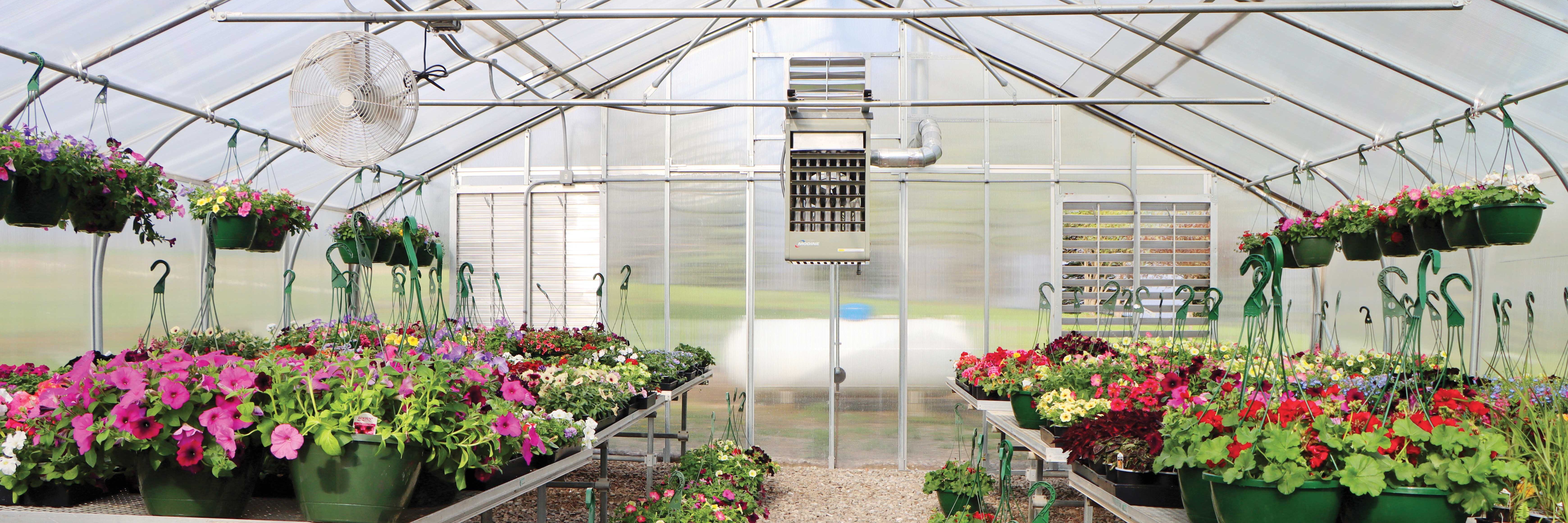
The Best Way To Heat A Greenhouse: Energy-Efficient Strategies For Healthy Winter Crops
Winter heating is one of the largest operating costs for cold-climate growers, and it has a direct effect on crop quality. The best way to heat a greenhouse is rarely a single piece of equipment.
The most efficient operations combine insulation, properly sized heaters and stored solar heat, so that less energy is needed in the first place. Knowing how those pieces work together is central to finding the best way to heat a greenhouse and protecting plants through freezing nights, without overspending on fuel or electricity.
What Are The Best Methods To Keep A Greenhouse Warm In WInter?
Growers researching the best way to heat a greenhouse are usually better served by cutting heat loss before adding heating capacity. A heater can only perform as well as the structure allows, and a leaky or poorly clad greenhouse wastes much of the energy it receives. The most effective methods generally follow this order:
Upgrade the cladding. Cladding has the largest influence on heat retention. 8 mm twin-wall polycarbonate has an R-value of about 1.72, compared with roughly 0.83 for single-layer film, because the air trapped between layers resists heat transfer. Double poly film inflated by a small compressor can reach an R-value of around 1.5 at a lower cost.
Seal air leaks. Doors, vents, louvers and cladding joints are common sources of drafts. Weatherstripping and caulk are inexpensive fixes that reduce how often a heater has to run.
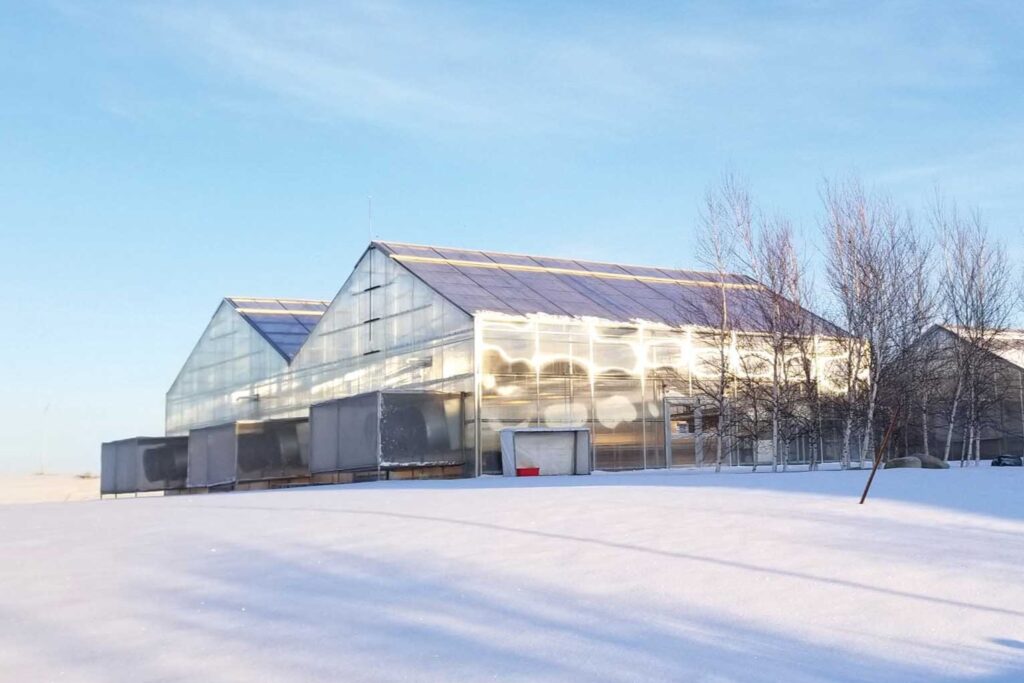
Insulate strategically. Reflective foil and bubble insulation limit radiant heat transfer, while perimeter insulation keeps warmth from escaping into cold soil. Retractable thermal curtains reduce nighttime heat loss and can be opened on sunny days to capture solar gain.
Size the heater correctly. Equipment should be sized for the coldest expected outdoor conditions and the heat loss of the specific structure. A common starting point multiplies the desired temperature change by the greenhouse volume in cubic feet and by 0.133 to estimate the BTUs needed per hour.
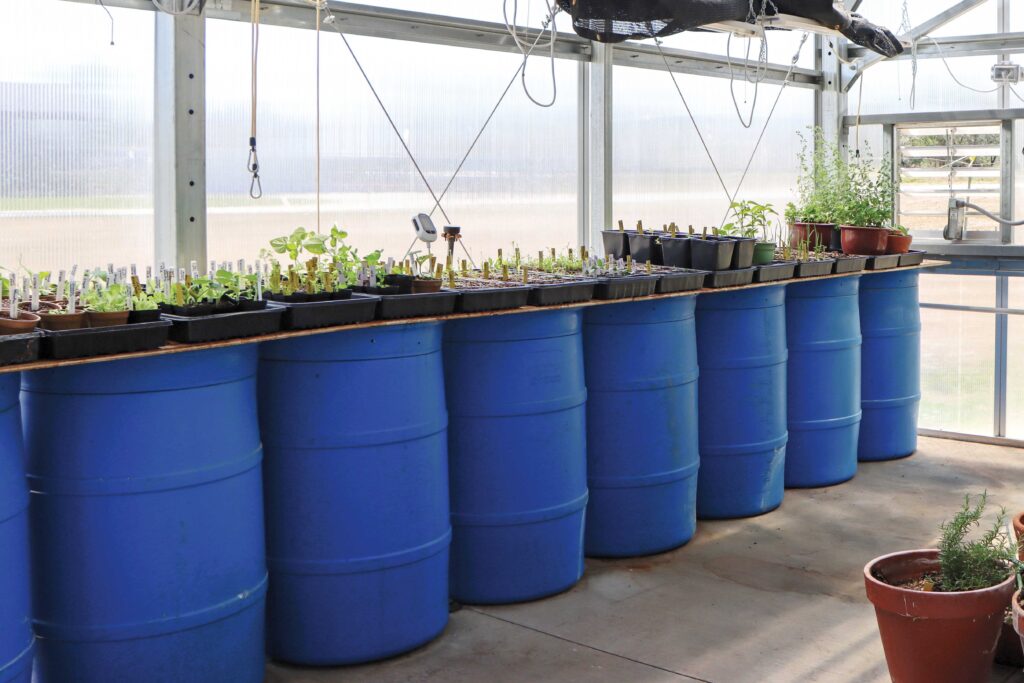
Add thermal mass. Water barrels, masonry and other dense materials absorb heat during the day and release it after sunset, which softens overnight temperature drops.
Cladding, sealing and insulation decide how much heat is needed, and the heating system decides how that heat is delivered, so the best way to heat a greenhouse always combines a well-sealed, well-insulated structure with a properly sized heater.
Sign Up Now For More Information
Maintaining A Consistent Temperature In A Greenhouse During Winter
Stable temperatures protect crop quality, because plants respond to swings as much as to cold. The best way to heat a greenhouse for steady temperatures is to match the heat source to the structure and then control it carefully.
In a greenhouse sealed for winter, electric heaters are often the best way to heat a greenhouse safely. They release no combustion fumes, can include greater safety features and do not require a gas line or a steady fuel supply. They also work well with programmable thermostats and environmental controllers, which makes automation simple. Propane and natural gas heaters remain popular because of lower operating costs and usefulness where power is limited, but they need proper venting and air movement to keep fumes and excess moisture from harming plants and workers.
Suspended unit heaters are a common way to deliver that heat. These compact units mount overhead, so they take up no floor space, and a fan blows air across a coil heated by hot water, steam, electric resistance or gas combustion.
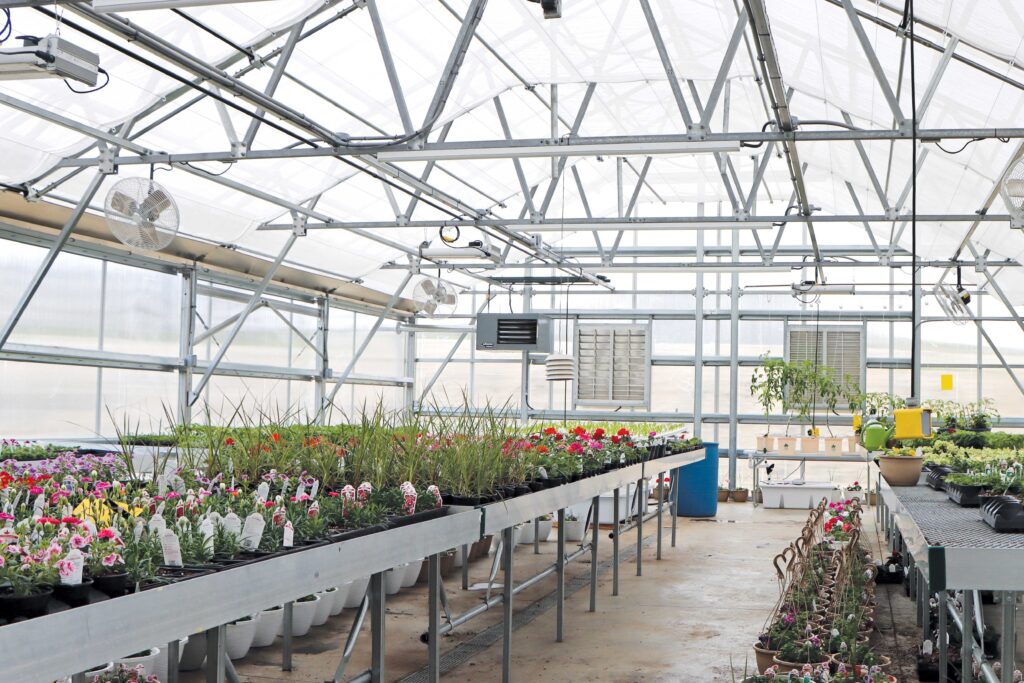
Root zone heating takes a different route: a central boiler circulates heated water to the area where roots grow. A warm root zone allows air temperatures to run cooler, so growers can often lower the air setpoint by 5 to 15 degrees Fahrenheit and save energy all winter.
Distribution and control matter as much as the heat source itself:
- Horizontal airflow fans mix warm air from the ceiling with cooler air near the floor and walls, which removes cold pockets and reduces disease pressure.
- Some ventilation should continue even in winter, since it controls humidity and condensation.
- A temperature sensor placed at plant height in the coldest part of the greenhouse is more useful than a single average reading.
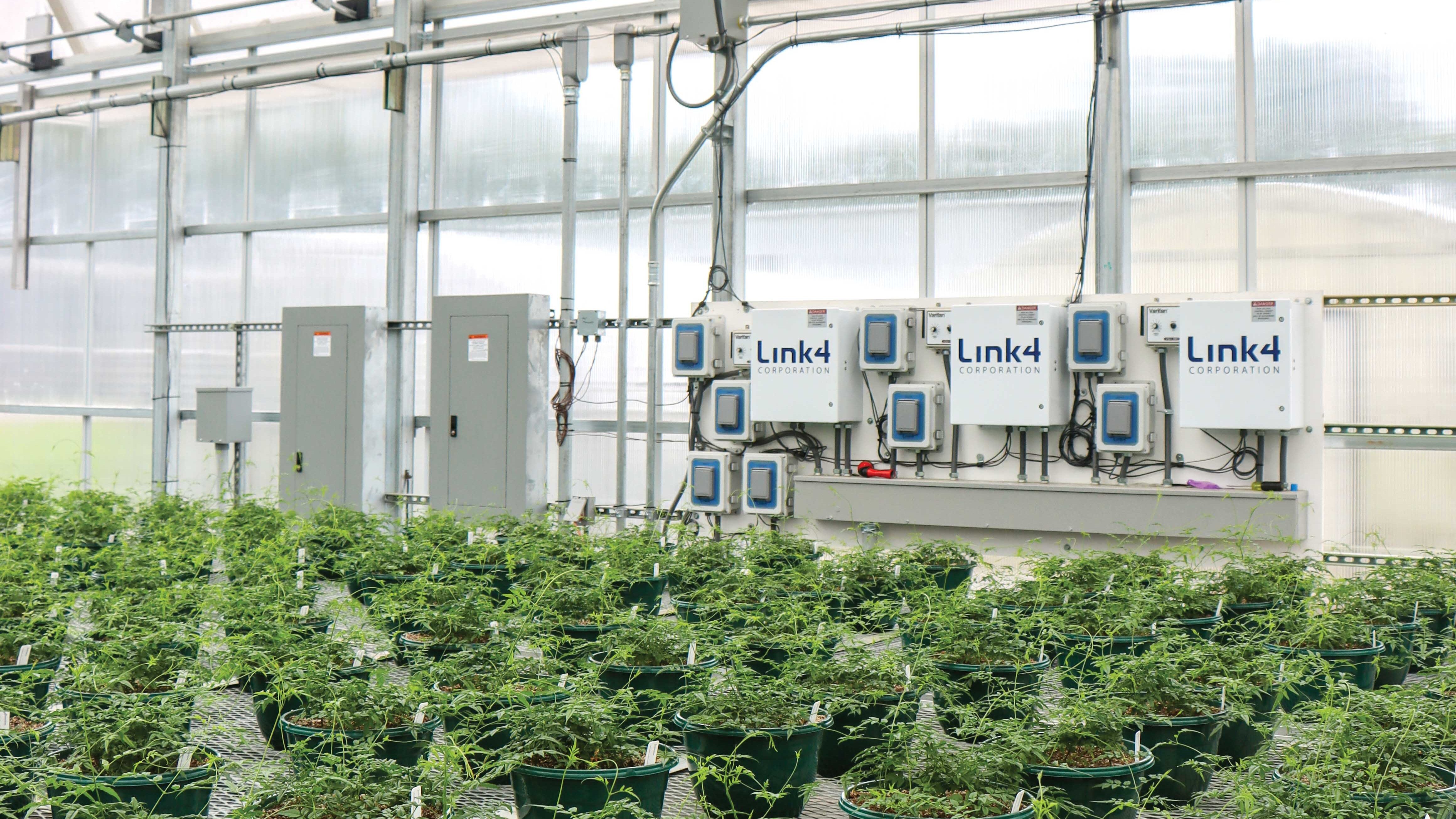
- Linking heaters to a climate controller keeps temperatures steady, without constant manual adjustment.
Are There Any Cost-Effective Methods To Heat A Greenhouse For Free?
Completely free heat is rarely realistic for a production greenhouse, but several passive strategies cost little and reduce the amount of purchased energy required, especially in smaller structures.
The simplest option is stored sunlight. Dark-colored barrels or jugs filled with water and placed along the north wall or in direct sun store daytime heat and release it overnight, while south-facing cladding paired with an insulated north side captures winter sun and holds that warmth in. Opening thermal curtains on sunny days maximizes the gain.
Biological and earth-based sources take more planning. A large, active compost pile beside or inside the structure releases heat as microbes break down organic matter, although small amounts of kitchen scraps will not generate enough warmth. Earth berms, partially sunken structures and buried air tubes draw on the stable temperature of the ground, and these approaches work best when planned during the design stage.
Frost cloth or row covers over sensitive crops also help by shrinking the space that needs warmth. These methods work best where winter days are sunny. During extended cloudy periods or severe freezes, a backup heater is still necessary, so passive strategies are best treated as a supplement to an efficient heating system rather than a replacement.
Find The Best Way To Heat A Greenhouse With GrowSpan
The best way to heat a greenhouse depends on climate, crop, structure and budget, and a layered approach consistently outperforms a larger heater alone. GrowSpan’s Greenhouse Specialists design heating systems for new greenhouses and retrofit existing ones, including gas or electric heaters, suspended unit heaters and root zone heating, and can sync equipment with greenhouse climate controllers. Structures, like the Series 2000 Commercial Greenhouse, are available with twin-wall polycarbonate, giving operations the insulation that makes every heating dollar go further.
For help finding the best way to heat a greenhouse for your specific operation, call or Request a Quote today.
Related Articles
Does Your Greenhouse Heating System Need AN Update?
Greenhouse growers often invest in equipment to improve accuracy and crop health, but have trouble deciding when it’s time for an upgrade.
How To Size A Greenhouse Heating System
Properly sizing a greenhouse heating system is crucial for increasing heating capacity and maintaining the perfect temperatures year-round.
Greenhouse INsulation: Here's What You Need To Know To Operate Your Greenhouse In Winter
To boost crop quality, while also limiting energy consumption, cold-climate growers have to bolster their greenhouse insulation.
Five Reasons Radiant Heating should Be In Your Greenhouse
Radiant heating is a more cost-effective means of heating that provides both plants and growers with a number of benefits.